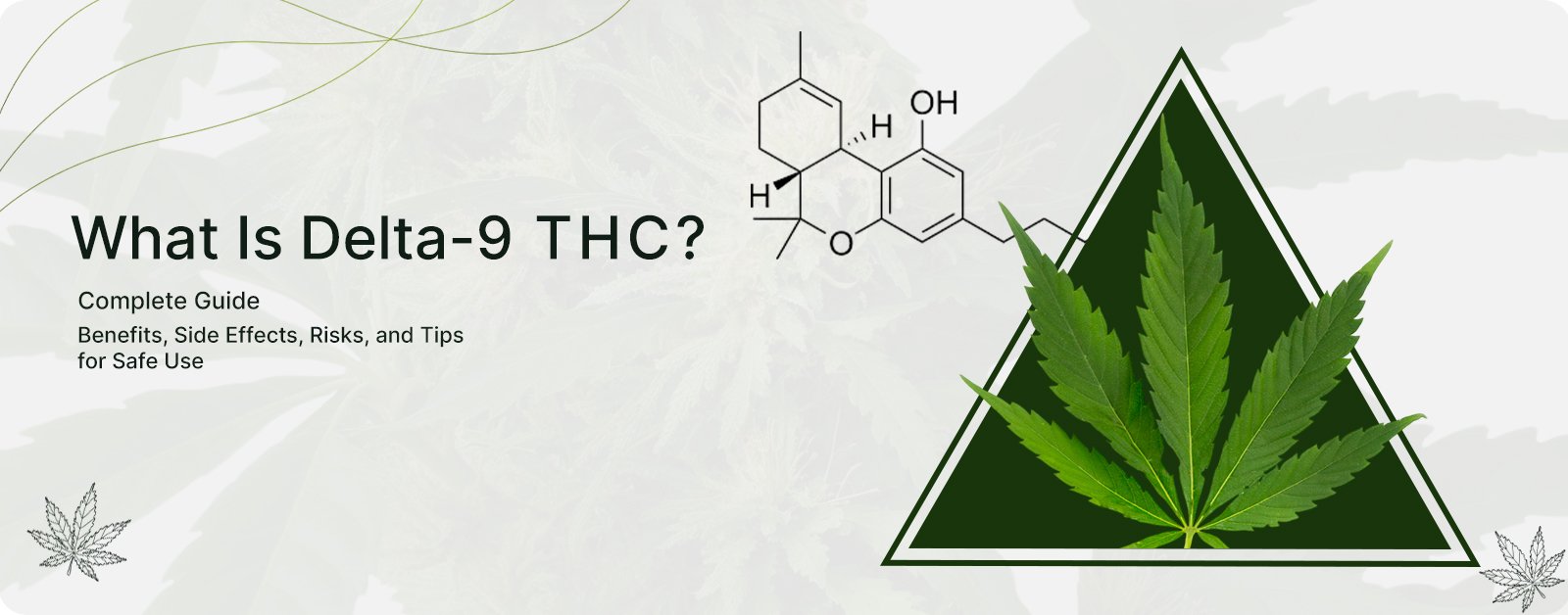
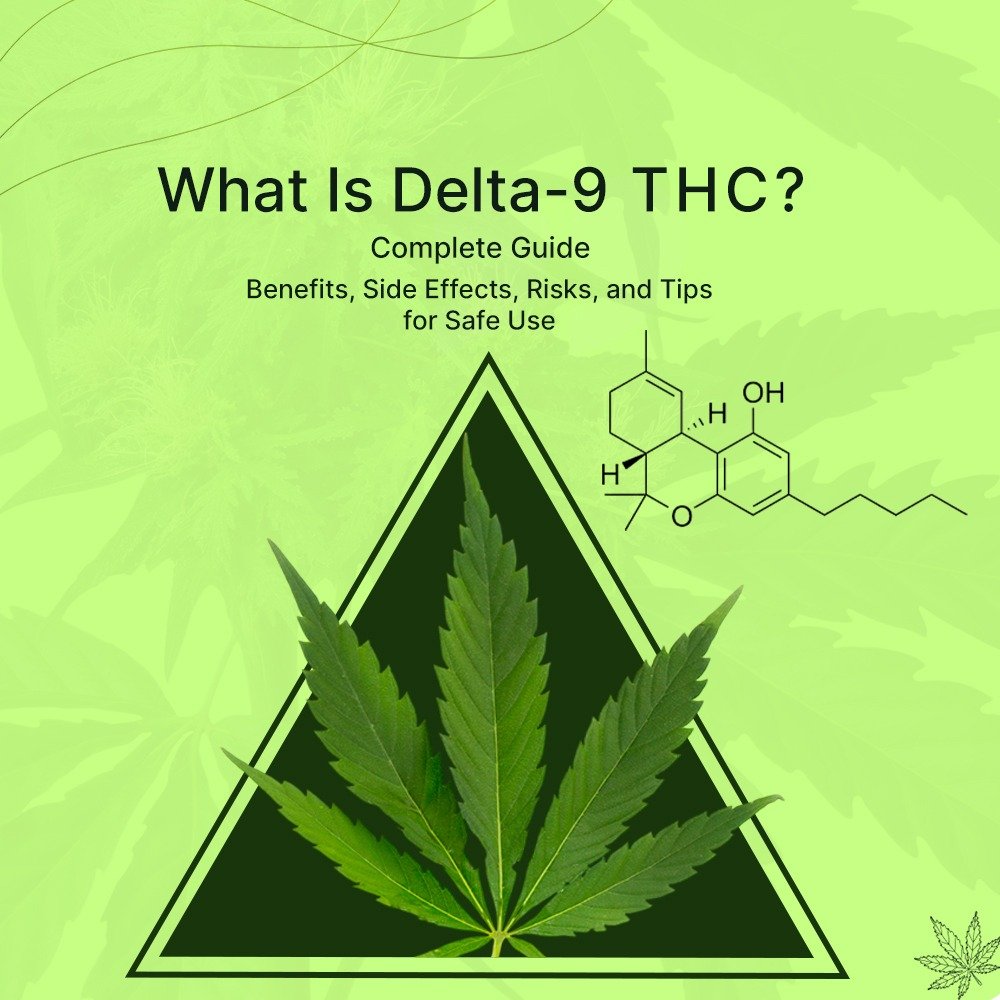
If you feel like cannabis is something that causes psychoactive effects, then you are probably familiar with Delta-9-tetrahydrocannabinol (THC), which is one of the cannabinoids found in the cannabis plant. Broadly speaking, there are over 80 other cannabinoids found in the cannabis plant, of which THC is mostly the brightest area of concern. And it’s not without a reason.
Delta-9 THC is the cannabinoid of the cannabis plant which mainly causes the high-like effect in cannabis. As for the new November 2026 definition of hemp-related products, a new cap has been placed on the total amount of THC found in hemp-related products (0.4mg per container) in order to consider a product legal.
The reason why there are such restrictions, laws, and other regulations imposed on Delta-9 THC is because of a few reasons. But don’t confuse Delta-9 THC with Delta-8 or Delta-10. The only thing is that Delta-9 is the form of THC that has been studied the most. In this blog, we are going to explore everything you need to know about Delta-9 THC, its benefits, side effects, and legal status.
NOTE: This article is shared for the educational purpose only and we do not endorse consumption or distribution of Delta-9 THC products.
What is Delta-9 THC?
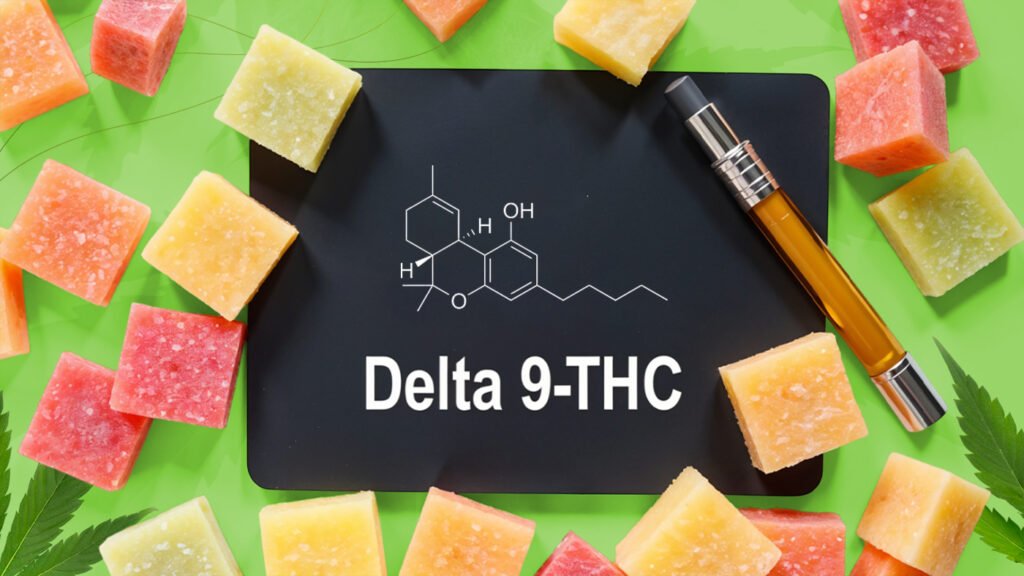
If someone talks about the term THC or hemp, then they are generally referring to Delta-9-tetrahydrocannabinol (THC). As mentioned in the new legislation on hemp-related products, the term THC refers to Delta-9 or else it is stated more specifically. The Delta-9 THC can be found in cannabis, hemp, and marijuana plants as well.
Legal Definition of Delta-9 THC
According to the November 2025 law update on the legality of cannabis plants, any hemp-derived product containing more than 0.4mg of Delta-9 THC will be considered federally illegal. This law will be applicable starting from November 12, 2026, which distinctly overrules the previous Farm Bill 2018 declaring a certain percentage of THC legal for cannabis or hemp-derived products.
Fun Fact About Delta-9 THC
Another great fact about Delta-9 THC is that it stands as the most abundant form of THC in cannabis which is primarily responsible for causing the euphoric effects. Although the U.S. government has imposed a restriction on THC and declared it illegal under the new legislation, the availability, consumption, and possession of Delta-9 THC can vary widely depending on which state or region you live in.
NOTE: But in the meantime, as long as your hemp or cannabis-based product has less than 0.4mg of THC in its whole container serving, you are good to go. Since the states have their own laws individually, you might want to check with the local laws before selling, possessing, or distributing products containing Delta-9 THC.
How Does Delta-9 Work in the Body?
Since we have understood the basic definition and the legal term on the Delta-9 THC, let’s talk about how it works on the human body to create those euphoric psychoactive effects. So the way your body reacts to the THC is the result of how the cannabinoid interacts with the endocannabinoid system in the human body.
Understanding the Endocannabinoid System
The Endocannabinoid System (ECS) is responsible for regulating all important processes in the body including appetite, sleep, immune function, pain management, emotional regulation, and a lot more. The only mission of ECS in our body is to maintain balance in the body, which is a continuous job.
THC Reaction with the Endocannabinoid System
The endocannabinoid system is an extensively complex system of neuro-networks in the body which consists mainly of three parts: the cannabinoid receptors, naturally produced endocannabinoids, and enzymes which are responsible for breaking down the endocannabinoids.
Why Do You Feel High After Consuming Delta-9 THC?
Since Delta-9 THC is a plant-derived cannabinoid, it follows the same concept as the human body’s own endocannabinoids. Delta-9 is so good at it that it binds really well with the CB1 and CB2 receptors in the ECS. This is the point where it produces a “high-like” euphoric effect which is often labelled as a type of deep relaxation. Furthermore, consumers claim that it brings stress and even pain relief in some cases.
What Are the Uses and Effects of Delta-9 THC?
The way a THC consumer might experience the effects depends on a number of factors, including their body weight, health, tolerance, and the potency & amount of THC they consume. In other words, THC could either make you feel relaxed and happy or nauseous and knock you out of your senses.
Physical Effects
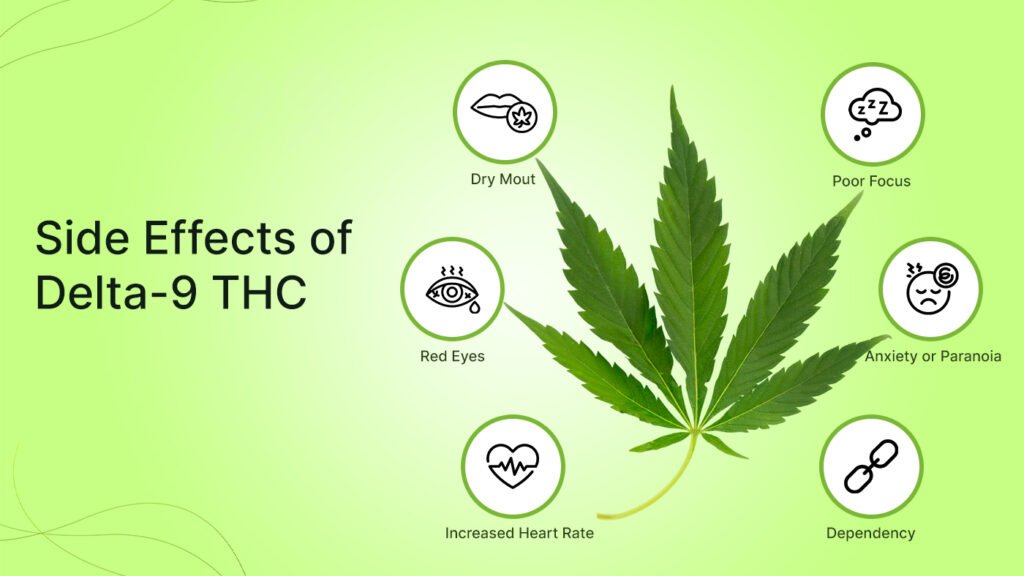
The physical effects of THC on your body include loosening of muscles, stimulation of appetite, and an enhanced perception of pain. As for more intense effects, you might experience red eyes, dry mouth, and some tingling sensations in your body.
How to Use Delta THC Properly
The main thing is to focus on enjoying the Delta-9 THC by consuming the amount in an appropriate dosage. It is recommended for new consumers to start low and gradually increase the dosage depending on the effects they experience, as long as it works well.
If you consume too much Delta-9 THC, it would turn your positive experience into a negative one causing intense side effects. These effects may cause anxiety attacks, panic attacks, a cloudy mind in making decisions, and even outright paranoia. You might experience some unpleasant side effects including upset stomach, nausea, and vomiting.
What are the Benefits of Delta-9 THC?
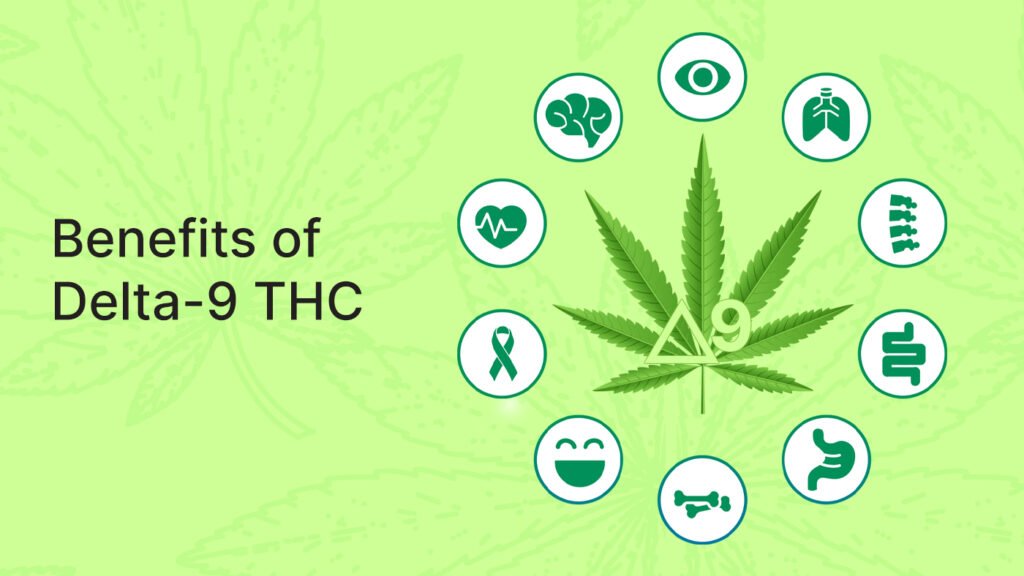
Extensive research is still under development on cannabis which has resulted in various benefits of Delta-9 THC including:
Pain Relief
The most widely reported effect of Delta-9 THC is pain relief which is also one of the reasons why it is used for medical purposes. Since THC has psychoactive effects like relaxation, tension relief, and euphoria, it ultimately makes it easier to cope with the pain symptoms.
At the same time, the interaction between Delta-9 THC and the human body’s CB1 receptors can also interfere with the pain signals that are sent from muscles to the brain. This is why people with chronic pain often consume Delta-9 THC to manage their symptoms.
Increases Appetite
Delta-9 THC has been effective in increasing appetite, which was its first medically approved benefit. Yet again, it is related to the fact that Delta-9 THC interacts with CB1 receptors. THC can help to stimulate appetite, especially in patients who are struggling with cancer or AIDS/HIV.
Treat Nausea and Vomiting
While excessive use of Delta-9 THC might trigger nausea and vomiting, it is also used to treat these issues (if paired with the right amount of CBD). Especially for people who experience chemotherapy-induced nausea, Delta-9 THC can be an effective treatment.
The conclusion is that Delta-9 THC works on everybody differently. It all depends on the medical condition, body, weight, and even the mental health in some conditions.
What are the Side Effects of Delta-9 THC?
The side effects of Delta-9 THC are somewhat more concerning than the benefits or positive uses. An even more noticeable fact is that the side effects of Delta-9 THC depend on how you consume it:
Consuming THC Orally
Delta-9 THC is not safe if it is consumed in a larger amount orally for a long-term. If the edible cannabis contains more than 50mg of THC, it can lead to serious side effects. Regularly consuming larger amounts of THC with higher milligrams of dosage can lead you to cannabinoid hyperemesis syndrome (CHS).
This syndrome can lead to severe nausea and vomiting which is not helpful to treat with anti-nausea drugs. In addition, consuming high amounts of THC for 1 to 2 weeks can lead to dependency on consumption.
Topical Delta-9 THC on Skin
Delta-9 THC often comes mixed with cannabis extract spray (Sativex, GW Pharmaceuticals) which is safe to apply on your skin for up to 2 years. This type of cannabis and THC for topical use also comes in the form of oils which are prescribed in the UK and Canada as a drug for treatment. However, its medical usage is still under discussion in the United States.
Smoking Delta-9 THC
Similar to oral consumption, the Delta-9 THC is not safe to consume in larger amounts when inhaled for long-term use. Smoking or vaping Delta-9 THC can lead to prolonged breathing problems as the study related to THC vapes has already linked it to serious lung injuries. Regularly smoking THC-infused cannabis can lead to cannabinoid hyperemesis syndrome (CHS).
Overdosing on Delta-9 THC
The phrase ‘excess of everything is bad’ is exactly true in the case of Delta-9 THC and other forms of cannabis product consumption. Here are the potential side effects that you might experience if you don’t use Delta-9 THC in a limited but gradual way:
- Paranoia, anxiety, panic attacks, confusion, and short-term memory loss.
- Increase in heart rate, dizziness, nausea, and vomiting.
- Long-term consumption can lead to higher tolerance and dependency.
When it comes to the side effects of Delta-9 THC, everything comes down to how much you consume, how long you have been consuming, and most importantly, how you consume. Then there are the body conditions and quality of the product (whether it’s in pure form or infused with cannabis or any other substance).
What is the Legal Status of Delta-9 THC in the United States?
The legal status of Delta-9 THC is quite complex due to the restricted nature of hemp-derived products and constant scrutiny of departments like the FDA and the DEA. The laws and regulations vary from state to state. However, things are pretty straightforward on the federal level when it comes to the legal status of Delta-9 THC and it’s going to change starting from November 12, 2026.
Federal Legality of Delta-9 THC (Hemp-derived)
According to the Farm Bill 2018, any hemp-derived product containing less than 0.3% of THC by dry weight is considered federally legal. However, this law is going to be overruled starting from November 2026 as the U.S. government has shifted the legal definition of hemp by imposing a total cap of 0.4mg total THC per container.
This new law is stated under the Continuing Appropriations and Extensions Act of 2026 (P.L. 119-37), which explicitly targets psychoactive cannabinoids (like Delta-8, Delta-10, and THCA). Any consumable hemp product containing more than 0.4mg of THC will be considered illegal starting from November 12, 2026.
Why Did the U.S. Government Change the Law on Delta-9 THC?
The reason why the government made amendments to the legal definition of hemp is that the Delta-9 THC product manufacturers were taking advantage of a loophole in the Farm Bill of 2018. Since the previously imposed Farm Bill 2018 stated the 0.3% limit based on the weight of the total product and not on the total milligrams of THC, manufacturers took advantage to contain higher amounts of THC per serving in heavy products like gummies or beverages, while staying under the 0.3% limit.
Delta-9 THC vs Other Forms of THC: What is the Difference?
Although Delta-9 is the most well-researched form of THC, there are other types that might cross one’s mind when it comes to legality or effects of hemp-derived products.
Delta-9 vs Delta-8 THC
Delta-8 THC has come into the spotlight over the past few years and has become as popular as Delta-9 THC. The Delta-8 THC is chemically a degraded form of Delta-9 THC that is created when Delta-9 THC is exposed to light and heat.
What is Delta-8 THC?
Delta-8 THC can be found in the cannabis sativa plant but in minor quantities as compared to other cannabinoids. Based on this fact, we can confidently say that most of the Delta-8 products on the market are synthetic, which raises a serious concern. This is because synthesized Delta-8 is usually created by dumping the isolated CBD in acid and this process changes its molecular structure.
The process of creating Delta-8 THC needs strict attention to quality control and safety standards to keep the final product clean from solvents, chemicals, and impurities. It also includes the quality of the starting material.
Does Delta-8 Have the Same Effects as Delta-9 THC?
The effects of Delta-8 THC are significantly milder than those of Delta-9 THC, which is why Delta-8 is often referred to as “diet weed” or “lite marijuana”, which makes it attractive to many consumers. However, the Delta-8 THC market is not so well-regulated, which is one of the reasons why it poses a lot of risk for regular consumers.
On the other hand, the previous Farm Bill 2018 was exclusively targeting Delta-8 products, leaving a lot of grey area for THC products and making them easier to come by. Although Delta-8 products are labelled as somewhat ‘safer’ alternatives to traditional THC, the fact is not really true. Therefore, it’s best to deal with Delta-8 THC with the same caution as the Delta-9 THC to stay on the safe side.
Delta-9 vs THCA
THCA is the predecessor of the Delta-9 THC which means it can also be found in raw and live cannabis plants. The letter “a” attached to THCA denotes the cannabinoids ‘acidic nature which means it does not produce any psychoactive effects. To achieve that goal, the THCA must be converted into THC by exposing it to heat or passing it through the decarboxylation process.
Does THCA Hit the Same as Delta-9 THC?
Unlike the Delta-9 THC, the THCA directly interacts with the ECS which is why the effectiveness is pretty mild. However, it does offer some therapeutic benefits, and more research is still needed in this area.
Is THCA Legal?
As for the legal status, the THCA stays in a sort of loophole which is not covered under the law yet. Since THCA is not Delta-9 THC unless it is heated, the HCa products remain legal in the United States as per the Farm Bill 2018 as long as they are hemp-derived and do not contain more than 0.3% THC.
However, the legality status of THCA will change starting November 12, 2026, due to the recent change in the definition of hemp-derived products. Furthermore, the sale, purchase, and distribution of THCA products may vary depending on where you live in the United States.
Conclusion
If you have ever heard about THC or know something about it, then it’s probably about the Delta-9 THC. Since Delta-9 is the most abundant form of THC, it has been studied comprehensively for decades and it is the type of THC that is linked with the psychoactive effects of cannabis. Although the side effects can become extreme, the only way to enjoy and take the right advantage of Delta-9 THC is by consuming it in smaller amounts and gradually increasing the dosage.
FAQs
What is the recommended dosage for Delta-9 THC beginners?
For beginners, a low dose is strongly recommended. Most experts suggest starting with 2.5 mg to 5 mg of Delta-9 THC, especially when using edibles. This allows the body time to adjust and helps reduce the risk of unpleasant side effects such as anxiety, paranoia, or dizziness. Edibles take longer to produce effects (usually between 30 minutes and 2 hours), so users should wait before taking additional doses.
How long do the effects of Delta-9 THC last?
The duration of Delta-9 THC effects depends on the method of consumption. Smoking or vaping generally produces effects within minutes, and those effects may last between 2 and 4 hours. Edibles take longer to activate but can last much longer, sometimes 6 to 8 hours or more.
Can Delta-9 THC interact with medications?
Yes, Delta-9 THC can interact with certain medications. It may affect how the liver processes drugs, particularly medications metabolized by liver enzymes such as CYP450. This can increase or decrease the effectiveness of some prescriptions.
What precautions should people take before using Delta-9 THC?
People should use Delta-9 THC responsibly and be aware of possible risks. It is important to avoid driving or operating heavy machinery while under the influence because THC can impair reaction time, judgment, and coordination.
Can you build a tolerance to Delta-9 THC?
Yes, frequent use of Delta-9 THC can lead to tolerance over time. This means the body becomes less sensitive to THC, requiring larger doses to achieve the same effects. Tolerance develops because cannabinoid receptors in the brain adapt to repeated exposure.
Is Delta-9 THC safe for long-term use?
Long-term safety depends on factors such as frequency of use, dosage, age, and overall health. Moderate and responsible use may be manageable for some adults, but heavy or prolonged use can increase risks of memory issues, reduced concentration, dependency, or mental health concerns in vulnerable individuals.