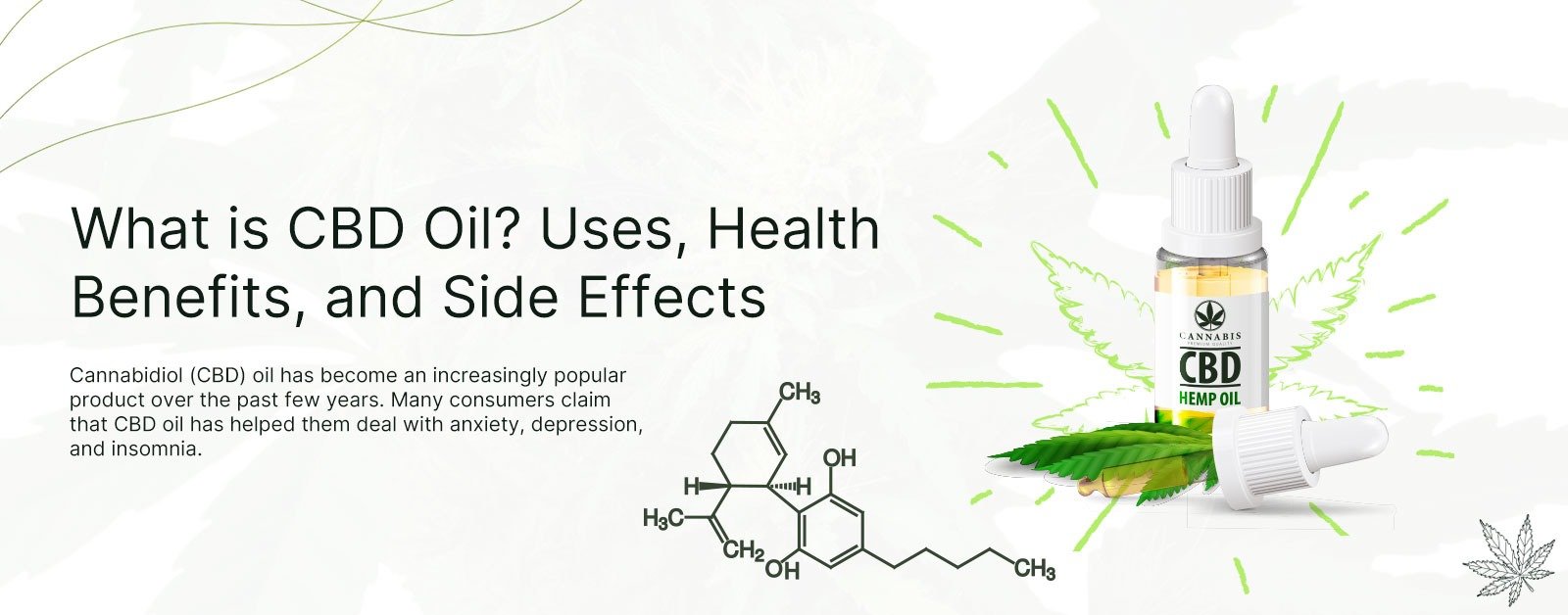

Cannabidiol (CBD) oil has become an increasingly popular product over the past few years. Many consumers claim that CBD oil has helped them deal with anxiety, depression, and insomnia. Since these conditions are more common among individuals nowadays, that is why CBD oil becomes a more appealing choice for people as a form of natural treatment.
But at the same time, the combination of CBD and THC is under the radar of authorities like the DEA and FDA in the United States. Therefore, it’s important to understand the study behind the effects, uses, and health benefits of CBD. In this article, we are going to provide you with a comprehensive overview of what CBD oil is and how it works with the human body.
Disclaimer: This article is solely published to provide information about CBD oil, its uses, benefits, and side effects. We do not claim CBD oil to be clinically proven as a cure or treatment for any disease, nor do we promote any CBD oil category products for certain benefits or treatments.
What is CBD Oil?
Cannabidiol or CBD is found among the 540 major ingredients in the cannabis plant, which also makes the plant popular for mainly CBD. CBD oil is extracted from all types of cannabis plants, which are also referred to as weed plants in street names.
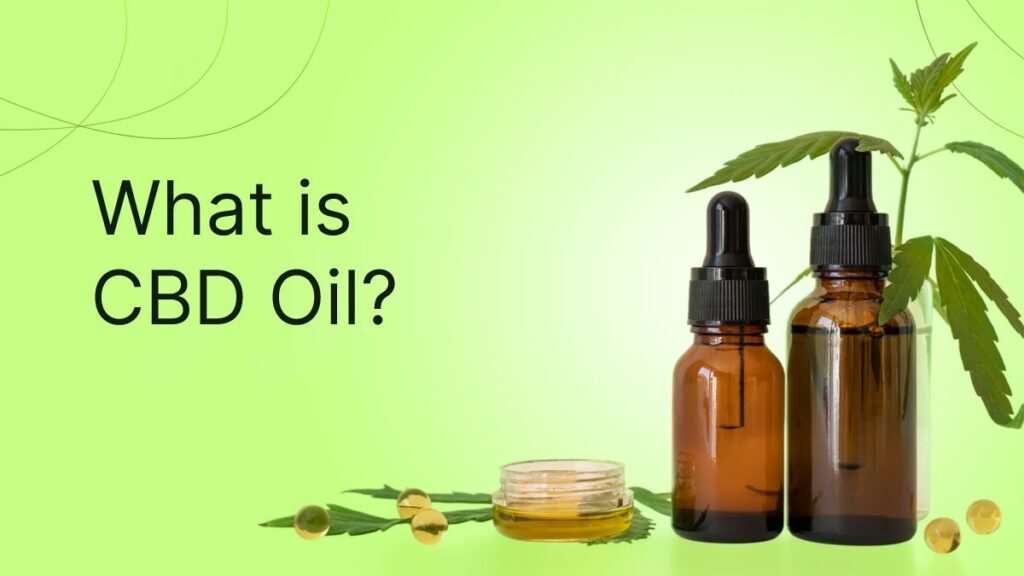
However, Cannabidiol oil is among the most over-the-counter products that are mainly extracted from the hemp plant. These are the type of cannabis plants that contain less than 0.3% THC.
What Are the Different Types of CBD Oil?
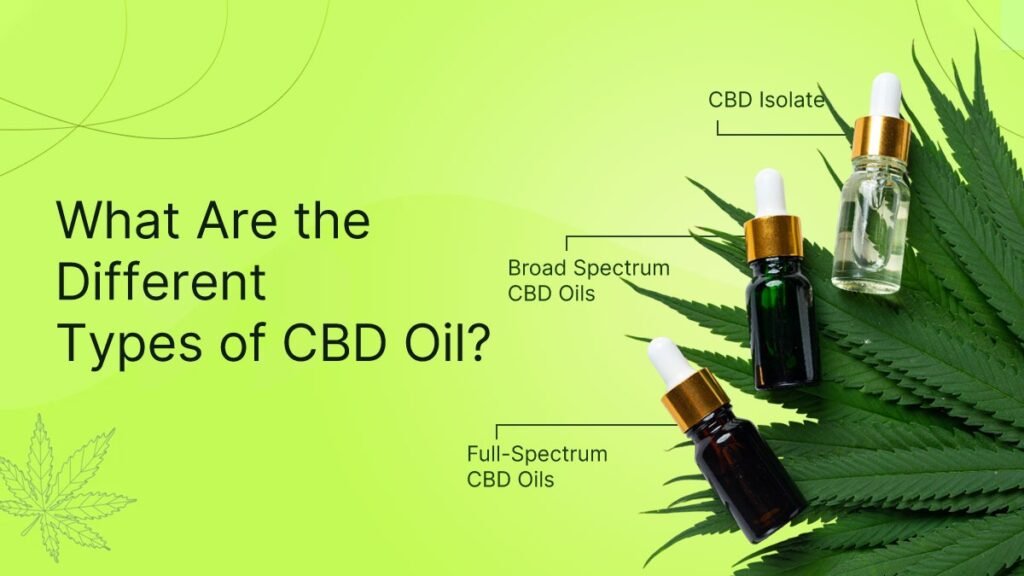
CBD oil is categorized into three main types, each varying in the formula and the substances contained in the product:
1. Full-Spectrum CBD Oils
The Full Spectrum CBD oil products contain cannabidiol along with all other active ingredients of the cannabis plant. Other products may include terpenes, flavonoids, and other cannabinoids, including THC. However, only full-spectrum CBD oils containing less than 0.3% THC can be sold legally.
2. Broad Spectrum CBD Oils
Broad-spectrum CBD oils are pretty much similar to full-spectrum CBD oils except they do not contain THC. However, these CBD oils still might contain other substances like CBG or CBN.
3. CBD Isolate
CBD oils that are considered isolated only contain cannabidiol in pure form. There are no other cannabis active ingredients in these products from the cannabis plant. This type of CBD oil is lab-made and is not extracted from hemp plants at all.
For beginners, CBD isolate would be a legal and safe option to consume as compared to full-spectrum or broad-spectrum CBD oils.
What Does CBD Do in the Human Body?
CBD does not target any single part of the body, and its exact target is not entirely known. According to research, CBD interacts with multiple receptors in the body. All cannabinoids, including CBD oil, interact with the cannabinoid receptors in the human body, which are referred to as CB1 and CB2 (part of the endocannabinoid system).
The endocannabinoid system in the human body is responsible for regulating the functions which are mentioned below:
- CB1 receptors are present in the whole body and especially in the human brain. These receptors are responsible for coordinating movement, pain, emotion, mood, thinking, appetite, memories, and some other functions.
- CB2 receptors are linked with the immune system, which affects the pain and inflammation in the human body.
Moreover, CBD has anti-inflammatory and anti-oxidant properties, which affect your body accordingly. This is also one of the reasons why it is popularly consumed for a variety of uses.
Does CBD Work the Same Way as THC Does in the Human Body?
Even though CBD and THC come from the same plant, their interaction with the human body is not exactly the same. This is why pure CBD does not cause the same effects as THC-infused CBD, especially as an antioxidant.
THC is attached to the CB1 receptors in the human body, and CBD is supposed to stimulate these receptors so the body can produce its own cannabinoids. Several studies were conducted on patients with anxiety and pain, who revealed that getting only CBD helped to get relief from their symptoms, even though they did not actually receive CBD. So approaching CBD with a positive mindset would still be a doubtful statement.
What are the Health Benefits of CBD Oil?
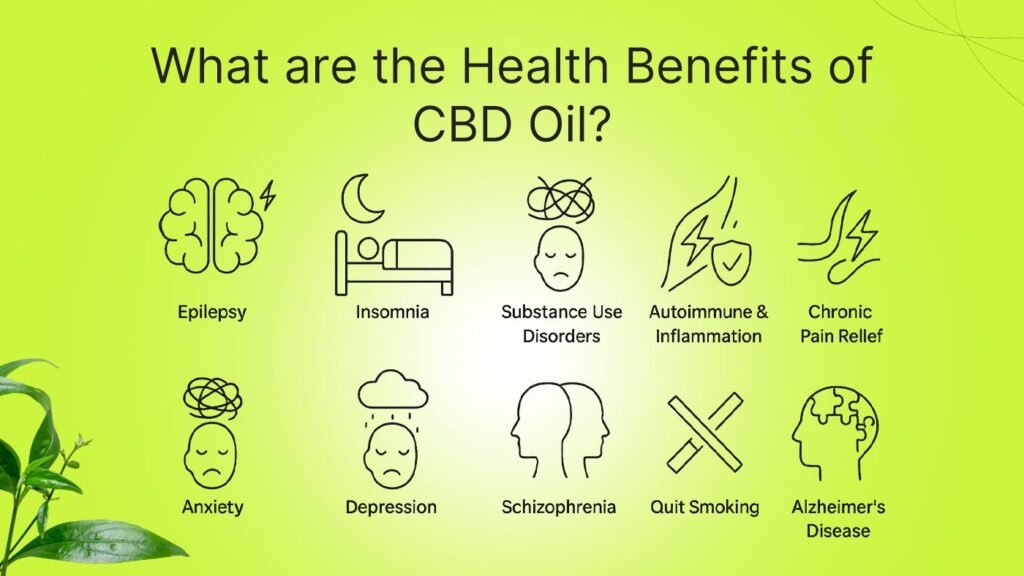
The research on chemical properties and their effects on the body is still ongoing to understand how well it treats certain conditions. As of now, studies conducted on many CBD consumers have revealed the following benefits:
Epilepsy (Seizure Disorders)
The only FDA-approved product containing CBD is Epidiolex. This medicated form of CBD is used to treat various types of seizures in children and adults. However, keep in mind that Epidiolex is not just another CBD oil that you can buy from any cannabis store.
Epidiolex comes with strict manufacturing guidelines with a clinically proven dosage that cannot be applied to other types of CBD oils or products. So Epidiolex and other CBD oils are not the same thing.
Clinical trials are still underway to learn if CBD oil helps with epilepsy and other seizure-related conditions, especially for those patients who do not feel any relief from taking common antiseizure medications.
Insomnia
Many studies have revealed that CBD has helped with sleep quality, especially in patients who were suffering from insomnia. However, the results from the latest studies on CBD and sleep provide mixed outcomes. It is possible that CBD may have helped insomnia patients with sleep issues that were caused by chronic pain or anxiety.
Most of the studies that proved CBD effective to help with insomnia actually came from the first-hand consumers of CBD rather than the clinical trials. Therefore, there is a slight possibility that CBD helps people feel more relaxed, which makes them believe that it helps with improving sleep quality.
Disorders Caused by Other Substances
Various consumers of other substances have reported that CBD helped them deal with dependencies and disorders caused by other substances. Many consumers have reported a significant reduction in cravings for alcohol, opioids, and stimulants after consuming CBD.
CBD tinctures and oils have effectively helped to reduce opioid withdrawal symptoms in many patients. However, it is best to contact a healthcare professional before consuming CBD for substance treatment. With the right prescription from a medical professional, you can learn about the right dosage of CBD oil usage to avoid side effects.
Autoimmune Diseases and Inflammation
CBD oils and tinctures work effectively to soothe the inflammation in the human body. In addition, it also helps with providing relief from various autoimmune diseases, some of which are mentioned below:
- Rheumatoid arthritis
- Osteoarthritis
- Inflammatory bowel disease (the results are mixed)
- Multiple sclerosis
Note: The above-mentioned diseases with which CBD oil can help often have complex conditions. It means that CBD oil might help with improving your symptoms of autoimmune and inflammation-related diseases, but it is not an effective way to treat them permanently. So make sure to check in with your healthcare expert to learn about the safe dosage of CBD based on your health condition.
Chronic Muscle and Nerve Pain
CBD could help with chronic muscle and nerve pain, as claimed by some consumers. In addition to the pain itself, it has also helped some individuals to fall in inducing asleep. This is probably due to its anti-inflammatory properties.
One study has revealed that CBD oil was effective on nerve pain symptoms by applying and massaging topical CBD oil on the affected areas. Some other early studies have revealed that oral consumption of CBD may help prevent nerve pain caused by various treatments like chemotherapy.
However, more in-depth research is required on this subject to declare the fact that CBD is helpful for chronic pain in the body. Evidence related to CBD providing relief from pain is mixed. This is because in most of the experiments, CBD oil was induced with THC instead of its pure form.
Anxiety
Anxiety relief is one of the main reasons why people tend to use CBD oils and other forms of Cannabidiol. One of the studies revealed that over 65% of young adults felt stress relief after consuming CBD tinctures.
There is little evidence that CBD oil can help reduce anxiety caused by chronic pain and social anxiety as well. On the other hand, a certain dosage of CBD has also helped with performance-related anxiety. Surprisingly, a research-based experiment revealed that the pure CBD oil (without containing any THC) was more effective on anxiety as compared to THC-dominant or equal THC and CBD products.
Other studies revealed that consuming a CBD dose under 300mg helped with anxiety relief. However, the response may vary depending on the tolerance level and diet of the consumers.
Depression
Based on some preliminary studies, CBD oil can help reduce depression, as reported by some consumers. Since CBD compounds interact with various receptors in the body, some of them are linked with the brain as well. Just like antidepressant medications, CBD oil alters the serotonin levels in the brain.
Schizophrenia
Some clinical trials have revealed that CBD can help with calming the symptoms of psychosis with fewer side effects as compared to many other antipsychotic medications. However, it is not a viable option in the long term, and more studies are needed to prove these claims.
Quit Smoking
A study performed in 2018 revealed that CBD helped to reduce cravings for tobacco consumption during the withdrawal phase to experience in relaxing effects. As for animal studies, another study from 2024 revealed that CBD induction helped to get relief from physical signs of nicotine withdrawal.
Still, it is recommended to speak with your healthcare professional as THC-infused CBD oil derived from the hemp plant carries addictive properties.
Alzheimer’s Disease
Alzheimer’s is more common among the elderly, which makes the short-term memory weaker. According to a 2019 study, CBD has helped to reduce the onset and progress of Alzheimer’s disease. However, there is no defined dosage for it, so more research is needed in that area.
According to some scientists, a combination of CBD and THC is more effective in treating Alzheimer’s disease. Various 2023-based studies have shown that CBD consumption in adults is generally safe. However, one also has to consider the health issues in each individual, especially cardiovascular diseases, before recommending CBD.
Note: Keep in mind that in many cases, CBD is not declared as a proven cure to treat anything clinically. Most of the CBD oil effects are based on the studies conducted on animals or patients who reported the benefits of CBD. Some other benefits and effects are self-proclaimed by CBD oil users. There is still a need for more clinical trials to determine the actual potential of CBD oil to treat certain health conditions.
Some Other Uses of CBD Oil
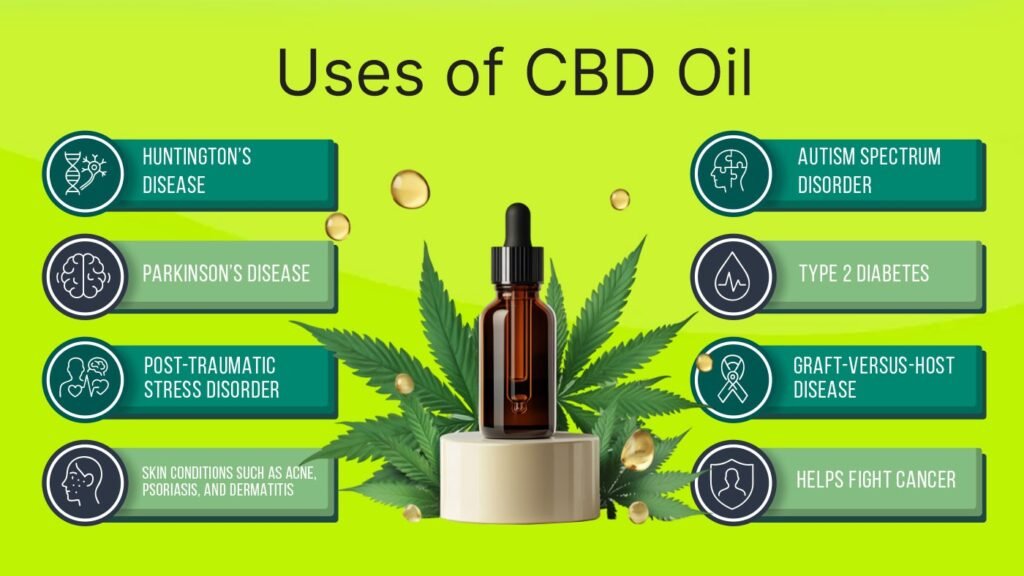
CBD oil is used for various other purposes by consumers, about which the study is still underway. These uses of CBD oil are done by users themselves to relieve the effects of the following conditions:
- Autism spectrum disorder
- Certain cancers
- Graft-versus-host disease
- Huntington’s disease
- Parkinson’s disease
- Post-traumatic stress disorder
- Skin conditions such as acne, psoriasis, and dermatitis
- Type 2 diabetes
Using CBD oil to treat the conditions mentioned above is a self-proclaimed fact. There is no clinical evidence that CBD is effective for any of the above-mentioned conditions.
How to Use CBD Oil?
CBD oil comes in two main forms, which are topical oils or balms and oral tinctures. It is not the same as using or consuming tobacco, and here is how you can use CBD oil properly:
- Mix CBD oil with foods or, preferably, your favorite drinks.
- Use a dropper or pipette to take the CBD tincture orally.
- Apply CBD oil topically on the affected area of your body (used for chronic pain).
- Spray CBD tinctures under your tongue to experience instant effects.
- Spray CBD oil on your affected body part directly.
For both oral consumption and topical application, the amount of CBD oil or tincture can vary based on the following factors:
- Body weight
- The concentration of the product
- The reason for using CBD
- Previous experience with CBD
- Empty stomach or not
How to Consume CBD Oil/Tincture?
After consuming CBD oil, you might start feeling its effects within half an hour or 1 hour, depending on the dosage. To consume CBD oil properly, use a dropper bottle and put some drops under your tongue. Then hold the oil under your tongue for 20 seconds before you swallow it.
Note: For oral consumption, it is recommended to start with a low amount of CBD oil and increase gradually based on your body’s tolerance level. Also, it is important to understand that topical CBD oils are different from CBD oils and tinctures, and they are only recommended for external use, so make sure to check the label before usage.
What are the Side Effects of CBD Oil Usage?
CBD oils and tinctures tend to be more potent as compared to other cannabis products since they are derived from THC-infused hemp plants most of the time.
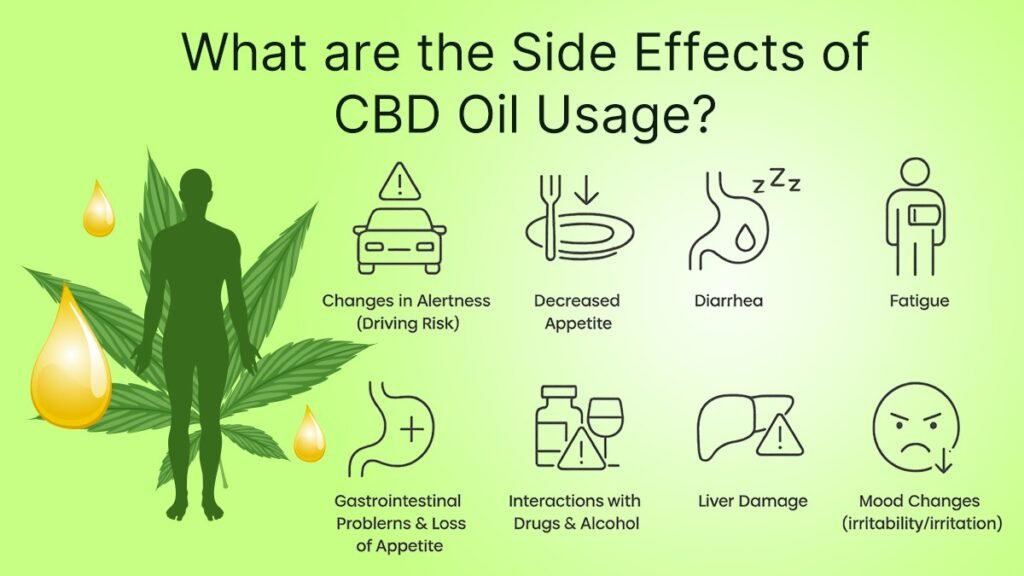
Therefore, it comes with risks of consumption, especially if CBD interacts with certain substances, supplements or medications.
Possible side effects of CBD may include:
- Changes in alertness, which can make driving dangerous
- Decreased appetite
- Diarrhea
- Drowsiness
- Fatigue
- Gastrointestinal problems and loss of appetite
- Interactions with other drugs and alcohol
- Liver damage
- Mood changes, including irritability and irritation
- Reduction in fertility for males
These side effects can be caused by consuming high doses of CBD and could go away once the body develops tolerance to CBD oil effects. However, if you do not feel any relief from these symptoms, consider getting healthcare immediately before the side effects become intense.
Note: While purchasing the CBD oil, always make sure to research the label of the product and the manufacturing brand. Many CBD products come with certificates of analysis (COAs), which indicate they contain the exact amount of CBD as mentioned on the label and are free of contamination.
CBD Oil Dosage Guidelines and Advice
It is not easy to define a standard dosage for CBD oil as these cannabis compounds affect every person variably. Just like taking any other medicine or substance, every person’s body reacts differently to CBD dosage based on the following factors:
- Height and Weight: People with more muscle mass or body weight tend to have better tolerance, which is why they may have to consume higher dosages of CBD oil.
- Metabolism: Your ability to consume and digest CBD depends on your metabolism. If you have a fast metabolism, you may require a higher or frequent dose of CBD oil.
- Overall Health: Depending on the benefit you require from CBD oil, you may have to consume or apply it accordingly. For example, for muscle pain, you may have to apply a higher amount of topical CBD oil. But CBD tinctures can have instant effects even with a low dose since it is consumed orally.
- Strength: The number of milligrams of CBD contained in a product, along with other substances.
- Type: Topical CBD oils or balms require more applications, while oral consumption is more effective and requires less dosage.
The only recommended way to learn about the right dose of CBD oil is by starting low. You can consume a few drops of CBD tincture and then gradually increase your dose based on how effectively it starts working in your body.
Is CBD Legal?
The legality status of CBD varies in each state across the United States. However, in most of the other countries, CBD is prohibited or controlled for certain medical and research-based uses.
As for CBD oil, any hemp or hemp-derived product that contains less than 0.3% of THC is legal under the Farm Bill in the United States. Any CBD oil or other product containing more than 0.3% THC is considered strictly illegal.
Remain Updated with Local Laws
To make sure you can safely buy, sell, or consume CBD oil in your region, make sure to check what the local law has to say in your area. Keep in mind that the FDA does not approve CBD oil or other cannabis related products as a medication.
For safe consumption or dealing of CBD oil, you can check with a third-party testing facility or COA to ensure your product contains the pure quantity of CBD without contamination or any other substances.
Conclusion
The growing interest in CBD oil for treating various conditions has made it a popular product across the United States and the rest of the world. However, every cannabis related product remains under the radar of the Drug Enforcement Authority due to its abusive consumption.
Most of the effects and benefits of CBD oils are based on self-proclaimed and personal consumption. Only a little bit of studies and experiments have been done regarding CBD oils and their effects. So make sure to use CBD oils and tinctures responsibly after checking in with your healthcare professionals and the local laws.
FAQs
Can you get high from the CBD Oil?
The CBD oil itself does not cause a high if it is in pure form (isolated CBD oil). However, CBD oil containing other active cannabis ingredients, especially higher doses of THC, can make you high, depending on your tolerance and dosage.
What is the recommended daily dose of CBD Oil?
There is no defined dosage of CBD oil consumption, as it may vary based on a number of factors like age, gender, body weight, and health condition. But according to the UK Food Standards Agency (FSA), healthy adults ranging around a body weight of around 70kg body weight should not consume more than 10mg of CBD per day.
Is CBD oil a medicine?
Topical CBD oils are safe to use, but they are still not labelled as medication. Similarly, consumable CBD oils are not approved as medication by the FDA. However, pure cannabis related substances are used for medical purposes, which are strictly used under permitted conditions.
Is CBD oil addictive?
The CBD oil itself is not addictive as long as it contains less than 0.3% THC. Any CBD product containing more than 0.3% THC can be addictive.
How long does it take CBD oil to absorb?
When consumed orally, CBD oils or tinctures can be absorbed within 15 to 45 minutes if placed under the tongue. It is recommended to use a dropper for consuming CBD oils and tinctures to take a measured dose.