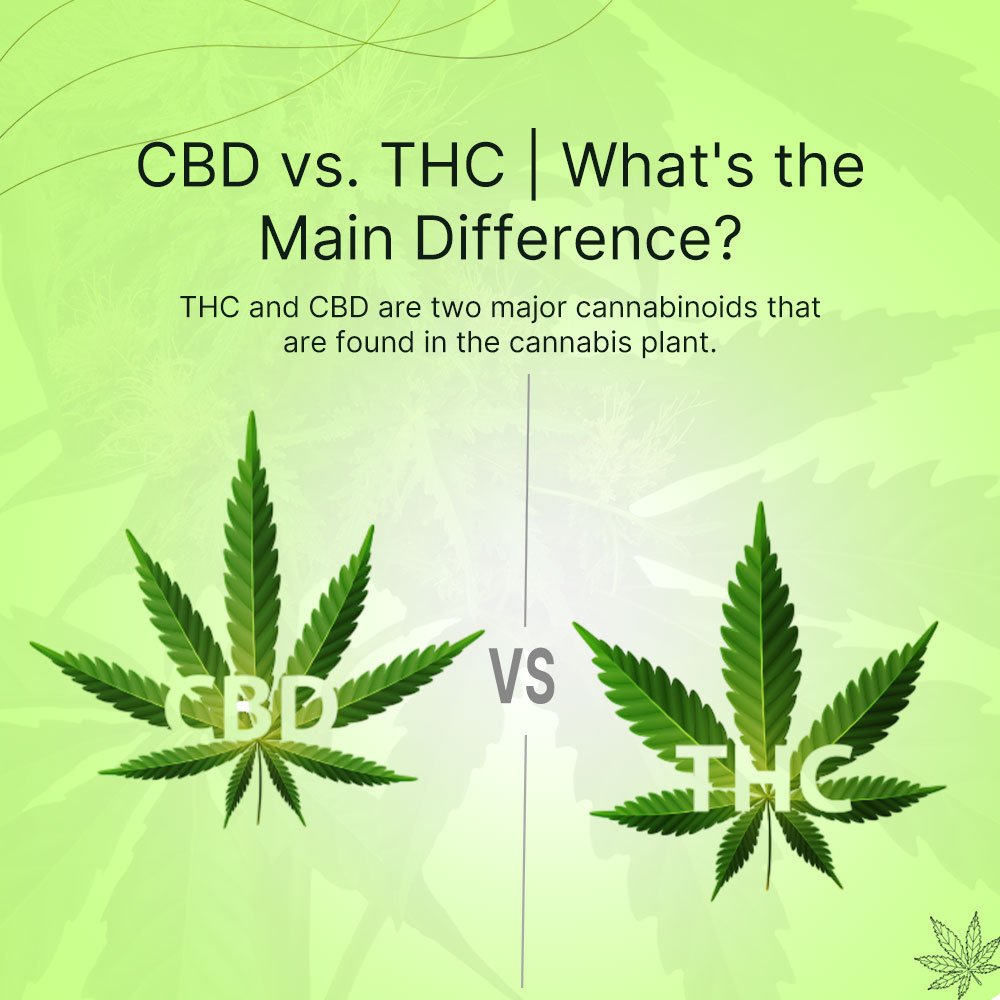
By now, you may have heard a lot about marijuana as more and more states legalize its status in the United States. CBD (also known as marijuana) is often related to THC since both of these compounds come from the same plant. However, THC is more popular for causing a drug-like reaction in your body since THC has psychoactive properties, which cannabis does not have.
THC and CBD are two major cannabinoids that are found in the cannabis plant. Even though CBD and THC are similar in structure, their interaction with the human body’s receptors varies. Based on the facts, THC highly associates people with Cannabis. But how does CBD differ from THC? Are they the same thing? In this article, we are going to compare CBD vs. THC to see the main difference between them, along with their benefits and effects on the human body.
Things You Must Know About CBD and THC
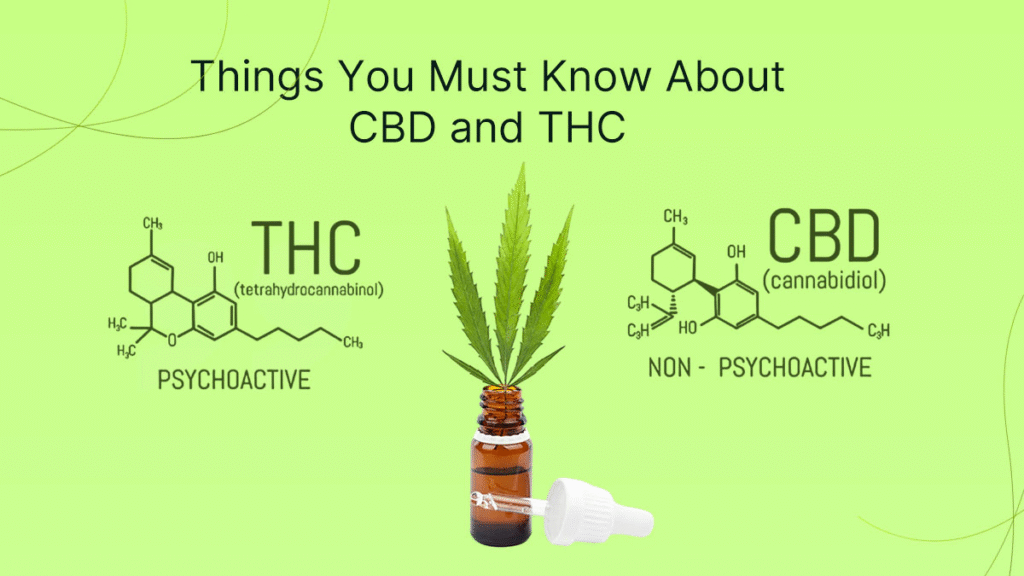
Before we explain briefly about CBD and THC, here are some key takeaways that you must understand about both CBD and THC cannabinoids.
- Before consuming either THC or CBD, you should always consult with your doctor about whether you should try the product or not. Also, it’s important to check the legality status of CBD and THC in your state and see which product is suitable for sale, purchase, or consumption in your region.
- Both CBD and THC are known for alleviating symptoms, which is why they are often used for even treating some medical or mental health conditions. However, there is still more research needed in this area to further investigate if it really works as an herbal medicine.
- Even though CBD is not addictive itself, many CBD products contain a high amount of THC (much more than mentioned on the product’s label). Therefore, you should always read the product’s information before consuming it abruptly.
For a better overview, Cannabinoids refer to substances that are found in cannabis, or scientifically known as the Cannabis Sativa plant. Other than cannabidiol (CBD) and delta-9-tetrahydrocannabinol (THC), scientists have found more than 100 cannabinoids in the cannabis plant that can influence the human body.
These cannabinoids can cause the following effects on the human body:
- Anxiety
- Appetite loss and eating disorders
- Cancer
- Epilepsy
- Glaucoma
- Irritable bowel syndrome (IBS)
- Multiple sclerosis
- Nausea
- Pain
- Post-traumatic stress disorder (PTSD)
- Sleep problems
- Spinal cord injury
- Tourette syndrome
Now that we have given you an overview of both CBD and THC, let’s dive deep into the chemical compositions and introductions of these cannabinoids.
What is CBD?
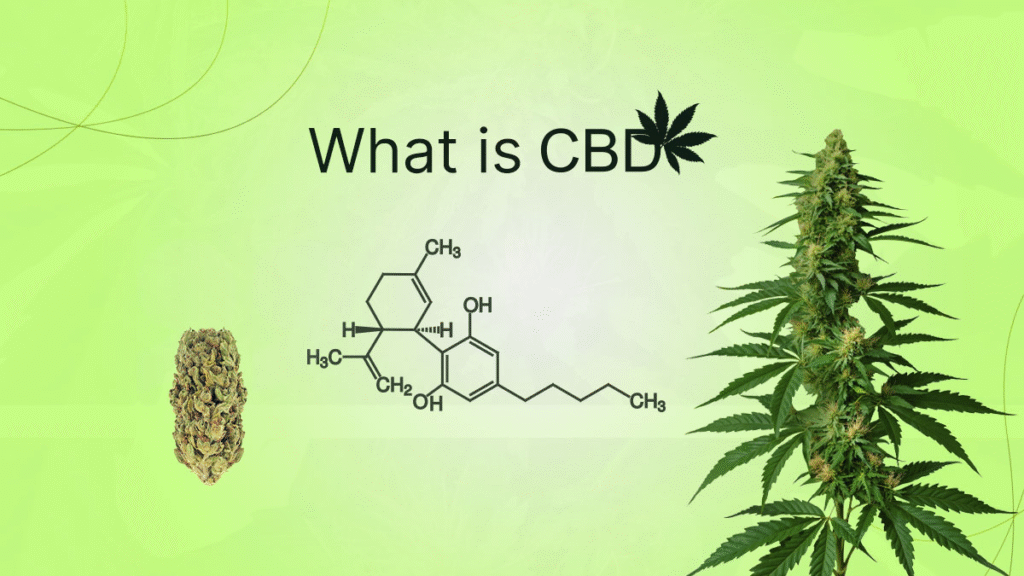
CBD is the abbreviation or short form of cannabinoid, which is its name because it is made from the cannabis plant. CBD is the second most commonly found compound in the cannabis plant after THC. It was first discovered back in the 1940’s after which CBD became a popular natural remedy for treating a wide variety of medical conditions (as claimed by the consumers).
CBD can be derived from hemp or marijuana plants, and the main difference lies in the quantity of THC in CBD. The Hemp-derived CBD containing less than 0.4 milligrams of THC per container as per the new definition of hemp-derived products which is going to be effective starting November 12, 2026.
Is CBD the same as THC?
CBD is related to THC since both are extracted from the same plant. However, CBD does not make you “high,” unlike THC. CBD is much easier to find in the United States as compared to THC, probably due to their difference in psychoactive properties.
However, the availability of CBD can still differ from state to state in the United States as various laws restrict the selling or consumption of CBD across the American region.
What are the Forms of CBD?
CBD comes in various forms, which are distributed among various products such as oils, extracts, patches, vapes, and topical lotions. It is also known as the active ingredient in Epidiolex, which was the first FDA-approved medicine made from marijuana to treat epilepsy.
What is THC?
THC is also known as Delta-9-tetrahydrocannabinol, is the main psychoactive ingredient in Cannabis. This is why THC consumers often feel “high” since it interacts with brain receptors directly when you smoke marijuana or eat a cannabis-based product. According to the National Institute on Drug Abuse (NIDA), THC is responsible for activating the brain’s reward system, which signals the brain receptors to release Dopamine in the body.
For those who don’t know, Dopamine is a neurotransmitter in our brains that plays a vital role in enhancing mood and causing pleasure. By consuming THC, one is only triggering a higher-than-normal release of dopamine, which is why THC consumers often experience feelings of euphoria. THC is often connected with smoking marijuana, but it can be found in various capsules, tablets, and oils.
Is THC the same as Marijuana?
THC and marijuana products are considered Schedule 1 controlled substances by the Drug Enforcement Administration (DEA) in the United States. It means that, according to the DEA, there is always a chance that people might abuse these substances without any medical use.
What are the Forms of THC?
THC can be found in three main forms, which include herbs/flowers, hash/hashish, and hash oil. The herbal form of THC is the most popular one, which is more commonly used by consumers. THC in herbal form is made by drying cannabis leaves and flower buds, which are often seen as consumable in foods or drinks.
What is the Source of CBD and THC?
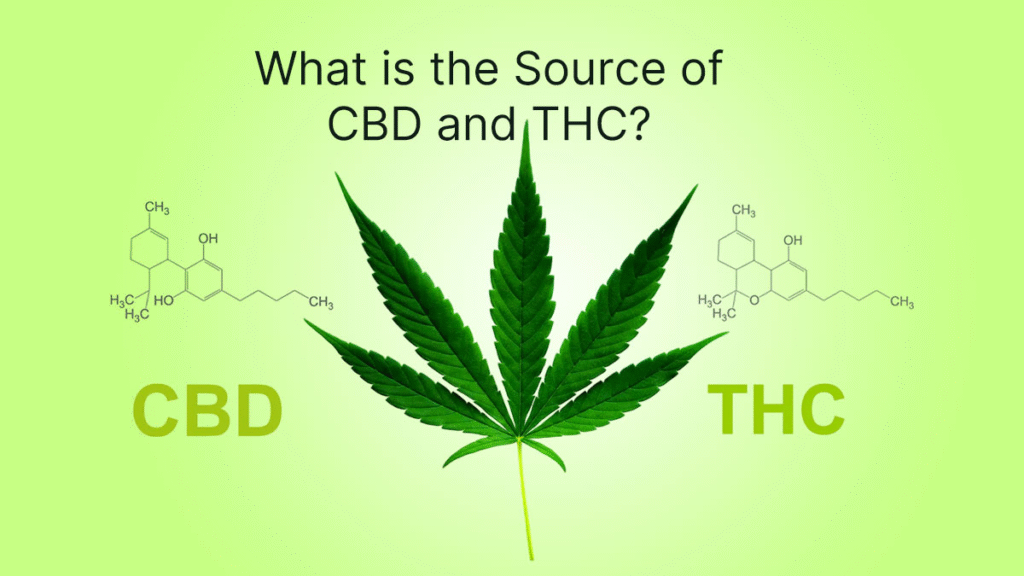
THC and CBD come from a common species of plants called Cannabis sativa, but differ when it comes to their composition and collection.
CBD usually comes from the hemp plant, which is another type of cannabis plant. By definition, any hemp-derived product containing traces of THC below 0.4 milligrams per container will be considered perfectly legal in the United States starting November 2026. This new law overrules the Farm Bill 2018, according to which 0.3% THC cannabis plant was labelled as marijuana.
Both CBD and THC are collected from the resin of leaves and the buds of female cannabis plants. However, CBD also comes from the flowering heads of plants found on the hemp plant. It is notable that the synthetic cannabinoids (also known as synthetic marijuana, Spice, K2) are artificial chemicals that often provide the same high effect as THC. So be cautious before consuming such products, as they can cause a serious reaction in the human body.
CBD vs. THC: Key Differences
CBD and THC can affect the endocannabinoid system in the human body, which plays an important part in maintaining homeostasis. This process in the human body is linked with memory, appetite, sleep, mood, and fertility. While both CBD and THC have their own similarities, this table summarizes how these two cannabinoids differ from each other:
| CBD | THC | |
|---|---|---|
| Is it Illegal? | No (not all forms) | Yes |
| Does it make you high? | No (without THC) | Yes |
| Interaction with the endocannabinoid system | Yes | Yes |
| Does it have side effects? | Some | Psychoactive side effects |
| Does it appear on a drug test? | Possibly | Yes |
| Does it relieve pain? | Yes | Yes |
| Does it reduce nausea? | Yes | Yes |
| Does it ease migraine? | Yes | Yes |
| Does it reduce anxiety? | Yes | Yes |
| Does it ease depression? | Yes | No |
| Does it decrease seizures? | Yes | No |
| Is it anti-inflammatory? | Yes | Yes |
| Does it help with insomnia? | Yes | Yes |
| Does it help with psychosis? | Yes | No |
| Does it increase appetite? | No | Yes |
| Is it used for various non-medical conditions? | Yes | Yes |
CBD and THC: Psychoactive Properties
Both CBD and THC affect receptors in the brain. However, CBD does not have psychoactive properties, which means CBD won’t make you high (unlike THC). On the other hand, THC has psychoactive properties and effects on the human body. THC is the compound that produces the high that people often associate with Marijuana.
CBD vs. THC: Chemical Formula
Both CBD and THC have the same chemical formula, which is: 21 carbon atoms, 30 hydrogen atoms, and two oxygen atoms. The only difference between the chemical formula of CBD and THC is the arrangement of atoms, which gives them distinctive chemical properties and a unique effect on the human body.
Both CBD and THC affect the way your brain and its cells communicate with each other. The chemical compounds of CBD and THC are the same as the body’s natural endocannabinoids, which act as the neurotransmitters in the brain. By mimicking the endocannabinoids, CBD and THC bind with receptors and cause various effects on the body.
CBD vs. THC: Which is more Beneficial?
When it comes to the benefits of CBD and THC, the research is still at the early stages. There is various evidence that CBD and THC are very helpful in curing conditions. Here are the benefits of CBD and THC, which also serve as the reason why consumers often use these substances:
CBD is used to alleviate symptoms related to:
- Anxiety
- Depression
- Inflammation
- Migraines
- Pre-menstrual syndrome
- Post-traumatic stress disorder (PTSD)
- Seizures
Some medical demonstrations may have revealed that CBD helps with the above-mentioned symptoms and conditions. Research in 2019 revealed that there is still more medical research and samples required to demonstrate the potential benefits of CBD.
THC is used for the following effects:
- Glaucoma
- Insomnia
- Nausea; it may help alleviate nausea caused by cancer treatment
- Pain associated with conditions such as arthritis, fibromyalgia, and migraine headaches
- Poor appetite, including appetite problems caused by cancer treatment
- Tremors
THC may be administered as medical marijuana, but it is often used to alleviate the range of symptoms mentioned above. However, THC is still considered addictive, and most of its benefits may be caused due to the psychoactive properties it offers.
CBD and THC for Pain Relief
The biggest reason why many people consume CBD or THC is because of their pain relief properties. Since THC has psychoactive effects, it may provide much quicker pain relief. However, CBD can help in reducing inflammation, which is helpful for its long-term effects.
Some experimental evidence reveals that consuming both THC and CBD can offer the greatest pain relief. Based on an experimental study, people who took CBD with THC experienced greater pain relief as compared to those who only consumed THC.
FDA-Approved CBD and THC Medications
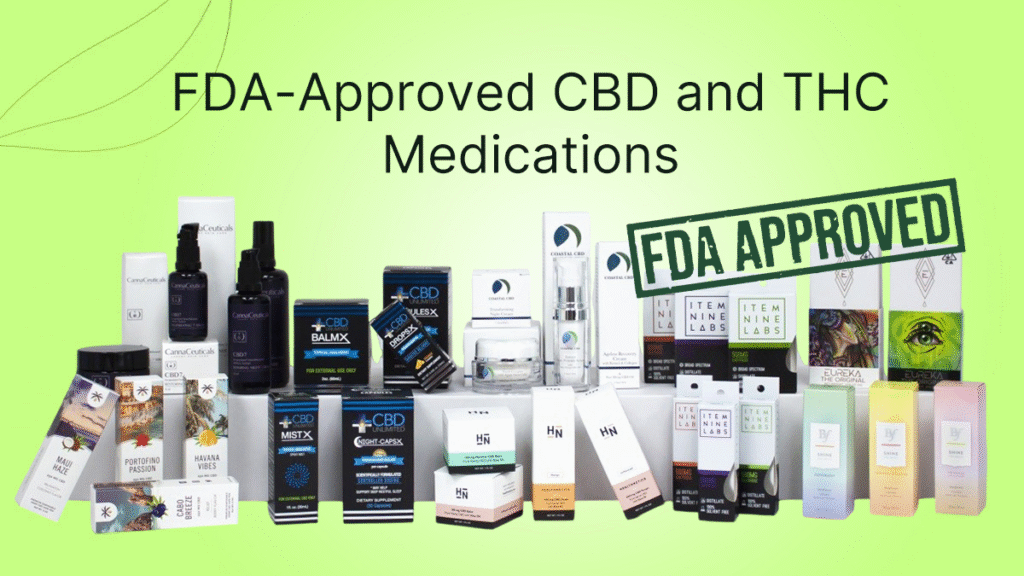
Although Cannabis itself is not an FDA-approved way for treating any medication, there are various drugs that are approved by the United States Food and Drug Administration (FDA) that contain CBD or THC.
Epidiolex
This FDA-approved medicine contains CBD, which is used to treat seizures related to two major types of epilepsy cases, which are Dravet syndrome and Lennox-Gastaut syndrome.
Marinol and Syndros
Marinol and Syndros are the drugs that contain dronabinol, which is a synthetic THC used to treat nausea or vomiting caused by chemotherapy while treating cancer.
Cesamet
Cesamet contains nabilone, which is a synthetic substance that is much more similar to THC. This drug is more commonly used to treat weight loss and problems with the appetite that are often caused by chemotherapy or HIV/AIDS.
CBD vs THC: Effects on the Human Body
According to some medical researchers, CBD and THC are generally safe if consumed under a recommended dosage. But even though these substances appear to be safe, it does not mean that one may not feel their potential unwanted effects. Some of the most common effects of CBD and THC on the human body include:
- Changes in mood and appetite
- Drowsiness
- Feelings of anxiety or other mood changes
- Nausea and dizziness
Marijuana itself can have both long-term and short-term effects, which include impaired short-term memory, altered judgment, and impaired coordination. According to many medical researchers, overdose or long-term consumption of Marijuana can alter your brain and even cause cognitive impairment.
CBD and THC: Effects on the Brain
The National Institute on Drug Abuse has noted that THC alters the functioning of the hippocampus and orbitofrontal cortex. These parts of the brain play a vital role in forming new memories and are responsible for shifting attention from one thing to another. Ultimately, a person’s ability to learn new things gets affected, their ability to keep track of things is ruined, and it becomes very difficult for them to perform complex tasks.
CBD vs THC: Side Effects
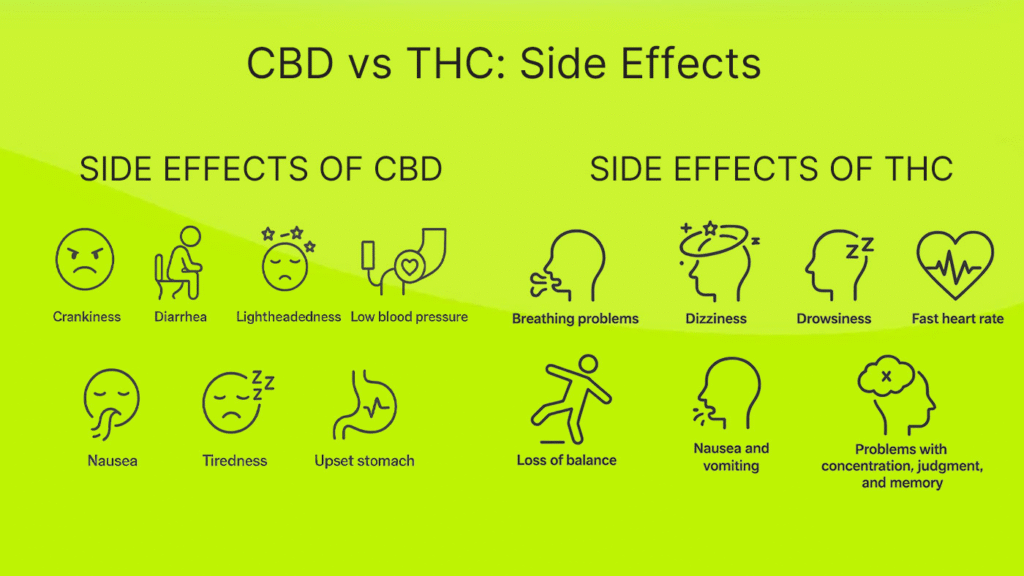
For better understanding, we have enlisted the known side effects of both CBD and THC. First, let’s have a look at the side effects of THC, which most likely are more potent and common to experience:
- Breathing problems
- Dizziness
- Drowsiness
- Fast heart rate
- Loss of balance
- Nausea and vomiting
- Problems with concentration, judgment, and memory
Below are the side effects of CBD, which can also occur the way one takes their medicine (i.e., overdose of CBD-based medicines). These side effects can be experienced after consuming a substantial amount of CBD in any form:
- Crankiness
- Diarrhea
- Lightheadedness
- Low blood pressure
- Nausea
- Tiredness
- Upset stomach
CAUTION: Before consuming CBD or THC-based medicines, always consult your doctor for the recommended dosage. Overdosing on CBD or THC-based medicines can cause even permanent damage to health.
Legal Status of CBD and THC: Over the Past Years
The laws and regulations are changing all the time when it comes to Cannabis, Marijuana, or CBD. CBD that is made from hemp is legal on the federal level, which ultimately makes it legal in many states, but with strict restrictions.
Many states permit the consumption of marijuana either for recreational or medical use only. However, as per the rule of the federal government and on the radar of the DEA, CBD and THC are still illegal overall in the United States.
2023
In April 2023, the U.S. government made medical marijuana legal in 38 states, three U.S. territories, and the District of Columbia. People belonging to these regions were allowed to have medical THC with prescriptions.
2024
As of May 2024, the United States declared 24 states and Washington, D.C. legal regions for recreational use of marijuana, which also includes the products prescribed by doctors.
U.S States Where Marijuana is Legal (2025)
Currently, these defined regulations of 2023 and 2024 are still valid which makes the following states legal zones for marijuana: Alaska, Arizona, California, Colorado, Connecticut, Delaware, Illinois, Maine, Maryland, Massachusetts, Michigan, Minnesota, Missouri, Montana, Nevada, New Jersey, New Mexico, New York, Ohio, Oregon, Rhode Island, Vermont, Virginia, and Washington.
CBD and THC Legality: Things to be Aware of
- Different forms of CBD, such as cosmetics, oils, and creams, are legal federally as long as they contain less than 0.4 milligrams of THC as per Continuing Appropriations, Agriculture, Legislative Branch, Military Construction and Veterans Affairs, and Extensions Act, 2026 (H.R. 5371 / P.L. 119-37).
- The legality status or restrictions of CBD products can vary from one state to another, despite the federal laws.
- Since the laws regarding cannabis and products related to cannabis are changing often, it’s important to always check the legality status and restrictions of CBD and THC before consuming, selling, or purchasing such products.
CBD vs. THC: Addiction and Dependencies
Since THC directly affects the brain’s reward system, this substance can be highly addictive. More than 30% of people who use marijuana have developed dependency on it in the form of addiction. For those who consume marijuana during adolescence, this risk percentage is much higher.
Definition of Addiction
According to the American Society of Addiction Medicine (ASAM), addiction refers to a compulsive need to continue a substance despite its negative effects on the human body.
Is CBD Addictive?
With THC being effective on psychoactive effects, it’s important to consider the potential addiction and dependence on marijuana when consuming CBD or THC. Since CBD (without THC) does not have any intoxicating properties, it does not have any potential cause of addiction.
Is THC Addictive?
On the other hand, THC gets linked with the endocannabinoid receptors in the human body, which are directly attached to the brain’s reward system. Therefore, it can produce feelings of pleasure and euphoria, which ultimately creates the potential for dependencies and addiction.
How Much Addictive is THC or CBD?
According to research, consuming products with a higher amount of THC can increase the risk of addiction. Although CBD products usually do not have THC or contain very low levels of THC, they usually contain more than the product label suggests. In simple words, consuming CBD can also lead to exposure to higher amounts of CBD, which ultimately causes addiction if consumed in higher amounts.
Conclusion
CBD and THC come from the same plant, and the only difference they have in them is the arrangement of chemical atoms. When it comes to the addiction of CBD vs THC, the THC itself is addictive, and most of the CBD products contain THC, which also makes it a bit addictive if not taken in the right amount. Both CBD and THC are regulated by the DEA as illegal substances. Even in the states where CBD and THC are legal, there are regulations that one has to follow.
As for medical research, CBD and THC are used in some medicines, but they are not overall considered as herbal products for curing certain diseases. If you ever feel like that, you are developing an addiction to CBD products. Consult with your doctor and always take the recommended dosage under defined conditions. We hope that understanding the difference between CBD and THC from this article may have helped you to be more confident when looking for medical cannabis for your treatment.
FAQs
Is it safe to smoke CBD and THC e-cigarettes?
THC oil has become the reason for 2500 medical issue cases, out of which more than 70 deaths were reported due to THC vape or e-cigarettes. CBD THC oil/vape causes lung injury (EVALI). Both the FDA and the CDC recommend not smoking e-cigarettes containing THC oil.
How to Choose the Right CBD Products?
While choosing the right CBD product, make sure to consider its formulation. Isolate products usually contain just CBD. On the other hand, Broad-spectrum products contain other cannabinoids with exception of THC. At the same time, the full-spectrum CBD products contain CBD, THC, and some other cannabinoids.
Is it Safe to consume CBD and THC together?
According to some researchers, the potential therapeutic effects of two cannabinoids (CBD and THC together) are much greater when they are consumed together at the same time. This process is called the entourage effect, and it can be much more potent, which is why it is not recommended for beginners.
What are Cannabinoids?
Cannabinoids are the chemicals that interact with our body’s endocannabinoid system (ECS). In total, there are more than 140 cannabinoids in existence. But mainly, there are three types of cannabinoids, which include Phyto cannabinoids (found in Cannabis plants), Endocannabinoids (produced naturally in our body), and Synthetic cannabinoids (created in medical labs for medical use only).
Disclaimer: This article is for informational and educational purposes only. High Stack Solutions does not promote or sell Kratom, CBD, or Delta THC products. Always consult with a licensed professional before using or marketing such substances.