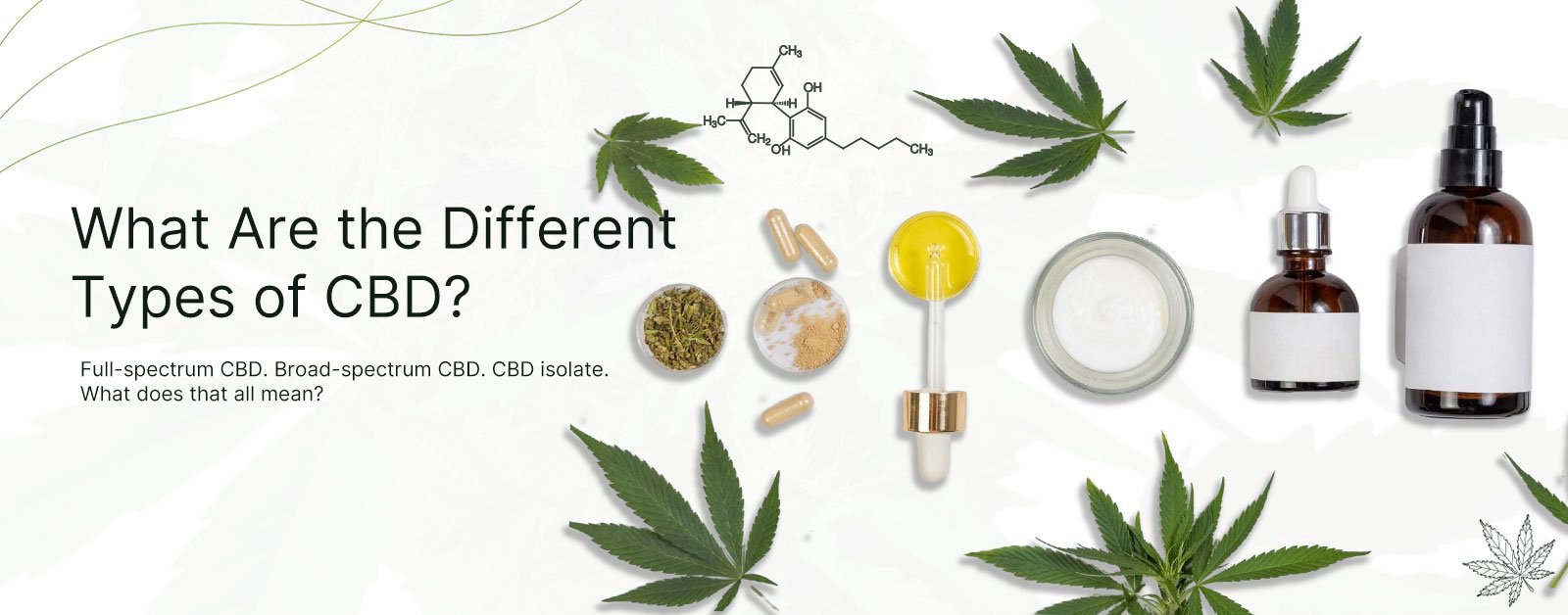

By now, most people have heard about cannabidiol (CBD) products and the potential benefits of using them. They may not have heard enough about CBD, however, to walk into a store (or to shop online) and make sense of the many types and forms of CBD they encounter. Full-spectrum CBD. Broad-spectrum CBD. CBD isolate. What does that all mean?
CBD oil. CBD tinctures. CBD capsules. CBD gummies and other edibles. Topical CBD products like creams and lotions. CBD for vaping. How do you choose?
That’s why we’re here. Our goal is to give you the comfort level you need to shop for CBD products without getting frustrated (or throwing up your hands and just firing up a joint).
Our comprehensive guide to CBD will have several sections, examining the types of cannabidiol you can choose from and the many forms that CBD products can take. We’ll start, though, with a quick look at exactly what CBD is, and how it differs from THC (the compound in marijuana that gets you high).
What You Should Know About CBD Before Shopping

Cannabidiol is one of over 100 cannabinoids, chemical substances found naturally in both the cannabis (also known as cannabis sativa) and hemp plants. These two plants are closely related, with the only significant difference being that the cannabis plant has high levels of the cannabinoid THC (tetrahydrocannabinol), whilst hemp contains extremely low levels.
That’s an essential distinction, of course, because high levels of THC generate marijuana’s psychoactive effects when it interacts with the body’s endocannabinoid system receptors.
Cannabidiol can be derived from cannabis; however, CBD products offered in stores are made from hemp. And, because it is derived from low-THC plants, CBD has extremely low THC levels and cannot make you high.
Types of CBD
1. Full-spectrum CBD
Full-spectrum CBD is the cannabidiol world’s Avengers, with its potency and versatility. Why? It includes a wide range of naturally occurring (and beneficial) chemicals from the cannabis plant, including:

Cannabinoids: In addition to CBD, full-spectrum CBD oil and other products contain cannabigerol (CBG), which may reduce inflammation; cannabichromene (CBC), which may relieve physical aches; cannabinol (CBN), which can promote sleep and relaxation; and trace amounts of THC, a psychoactive compound that increases appetite and pleasure. However, its concentrations are so low that it is unlikely to cause any psychotropic effects. However, full-spectrum CBD contains up to 100 different cannabinoids, each with its own set of benefits.
Terpenes: Terpenes give the cannabis plant its distinct odor and may provide a variety of therapeutic effects. These include, but are not limited to, myrcene, limonene, pinene, linalool, and caryophyllene, which are thought to have anti-inflammatory and soothing properties.
Flavonoids: Flavonoids are found in numerous plants, including the hemp plant. Indeed, they are responsible for the vibrant colors of many fruits and vegetables. Full-spectrum CBD products contain more than 20 of these potentially medicinal chemicals, but the number varies depending on the strain and extraction process.
Together, these chemicals are thought to produce a “entourage effect.” The hypothesis holds that the combined effort of each of these substances amplifies the effects of CBD, resulting in more benefits for the consumer.
In this regard, full-spectrum CBD is more like the X-Men, a group of superheroes, each with their own distinct powers and strengths, who can do more when they work together than they could alone.
As a result, full-spectrum CBD boasts numerous enhanced benefits, including:
- Antimicrobial properties
- Sleep assistance
- Physical comfort
- Reduce anxiety
- Skin health and mood support.
2. Broad Spectrum CBD
Broad-spectrum CBD, like full-spectrum CBD products, contains a diverse range of substances present in the cannabis plant, such as cannabinoids, terpenes, and flavonoids. However, it lacks one component: THC.
As a result, the extraction process differs from full-spectrum CBD. Both are retrieved using one of these four methods:
- CO2 extraction
- Steam distillation
- Solvent extraction
- Lipid extraction
However, broad-spectrum CBD is further processed to remove detectable quantities of THC.
Like Batman, broad-spectrum CBD employs a number of “gadgets.” In effect, solutions such as broad range CBD oil products may provide a slew of THC-free benefits; however, it’s unclear whether the “entourage effect” will be as strong as in its THC cousin. Nonetheless, the potential benefits include:
- Sleep assistance
- Mood Regulation
- Physical relief.
3. Isolate CBD
Isolate CBD, a crystalline solid, is comparable to Superman — it is the quintessential CBD product that users seek to provide long-term support and vitality. CBD isolate is a pure form of CBD that contains no terpenes, flavonoids, or other cannabinoids save CBD.
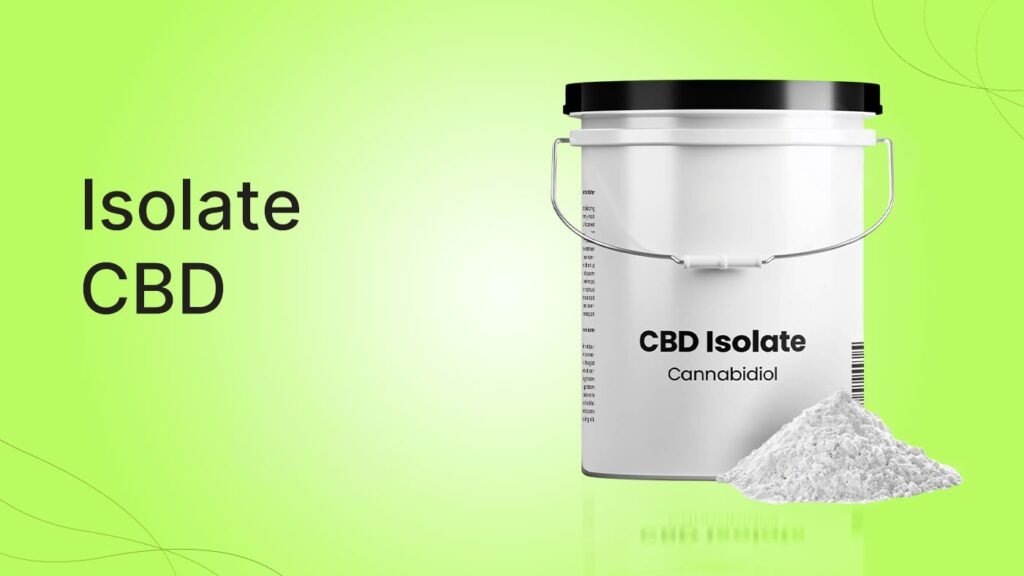
As such, it is yet another THC-free CBD product for those seeking CBD support without the presence of THC.
CBD isolate has a laser focus and may affect a variety of processes throughout the body, including:
- Appetite
- Memory
- Mood
- Physical sensation
Forms of CBD Products
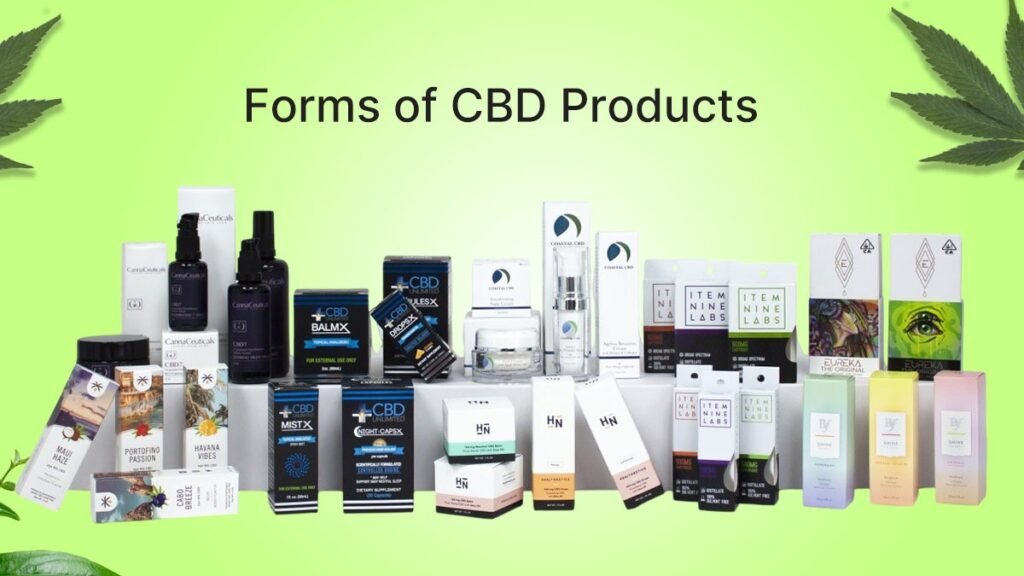
As we noted earlier, the quantity of CBD products available and the various forms they can take can be overwhelming for newcomers. Let’s break down the many products you might see in a store or on a website.
CBD Products For Ingestion
CBD Oil
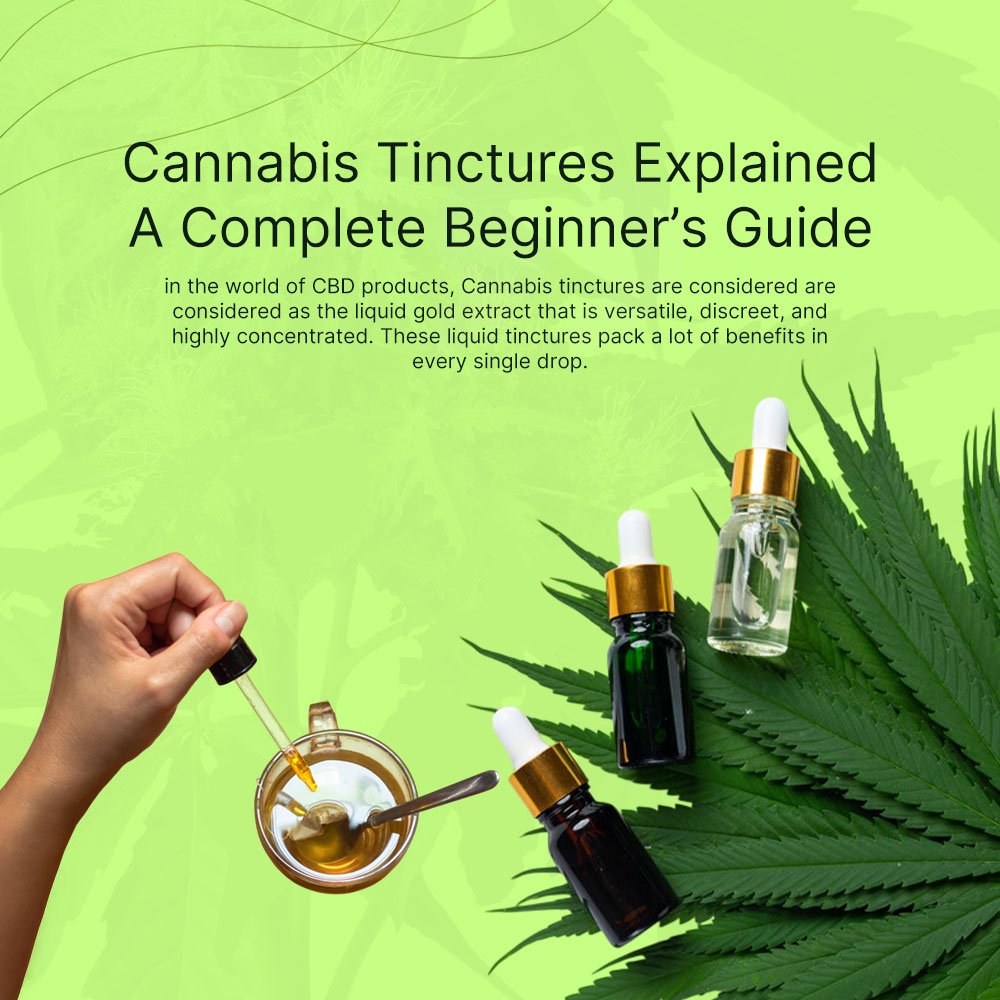
This is the granddaddy of them all, as CBD in other edible goods is typically CBD oil. Whether you pick full-spectrum CBD oil, broad-spectrum CBD oil, or isolate oil, it is administered under the tongue using an eye dropper. (Some companies also sell CBD oil sublingual sprays.)You can also include the oil into food, beverages, or recipes.
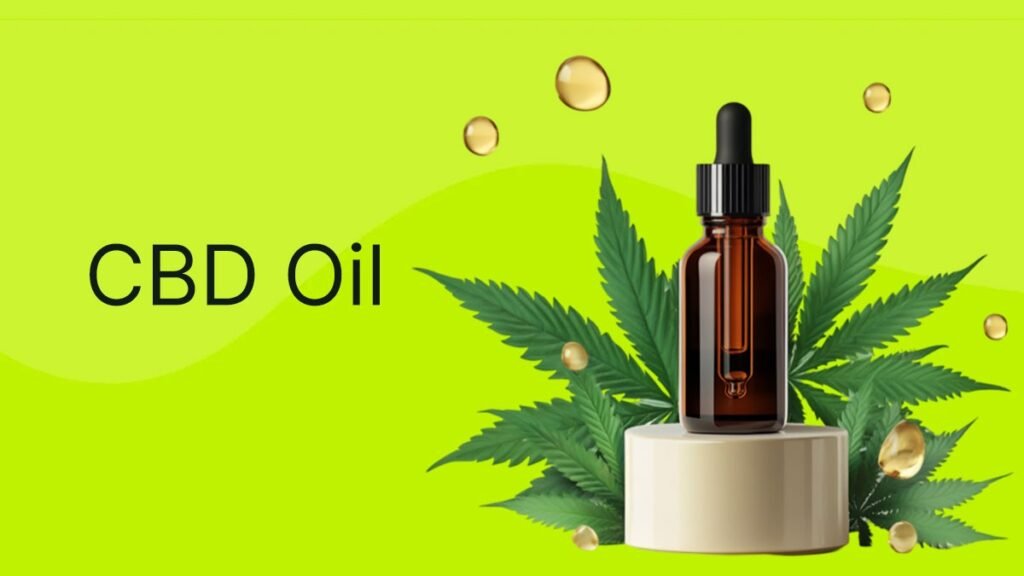
CBD tinctures are quite comparable products; many consumers and manufacturers use the phrases “oil” and “tincture” interchangeably. The only major difference is that a tincture contains cannabidiol extract suspended in alcohol rather than an MCT (medium-chain triglyceride) oil.
CBD oils are much easier to locate than tinctures, and they are a better option for those who are sensitive to alcohol. CBD oil often has less non-plant elements than tinctures.
Dosage quantities for these products can be difficult to determine on your own. A appropriate dose is determined by the milligrams of cannabidiol in the oil (or tincture) and the size of the bottle.
CBD products typically provide recommended dosage information on the label, but it is always best to contact with your healthcare practitioner before using cannabidiol (or any other medicine, herb, or over-the-counter supplement). If you’re doing it on your own, start with a low dose and gradually increase as needed.
CBD capsules
These dissolvable capsules contain CBD oil and are a popular choice among users who do not want to deal with liquids, droppers, or dosage calculations. Some CBD pills may contain additional minerals or vitamins. They are a more convenient way to consume cannabidiol, but they do not have the same immediate effect as oil applied sublingually.
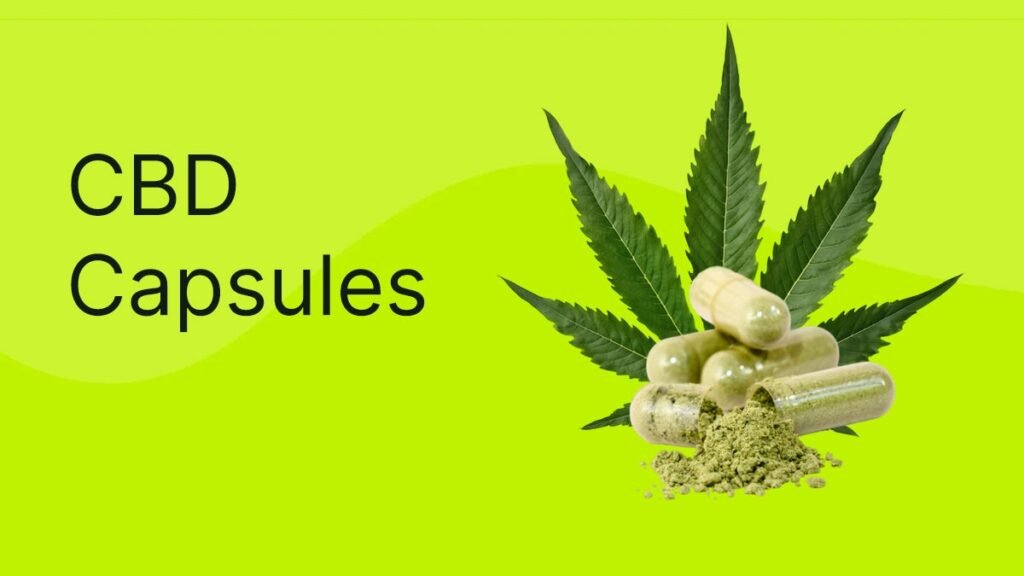
Well-stocked suppliers will have a diverse selection of capsules with varying concentrations tailored for specific applications; always check labels for dose recommendations. Vegans and vegetarians should be aware that capsules, like any other pharmaceutical or supplement product, are frequently derived from animal sources. They should explore for vegan options while shopping.
CBD gummies
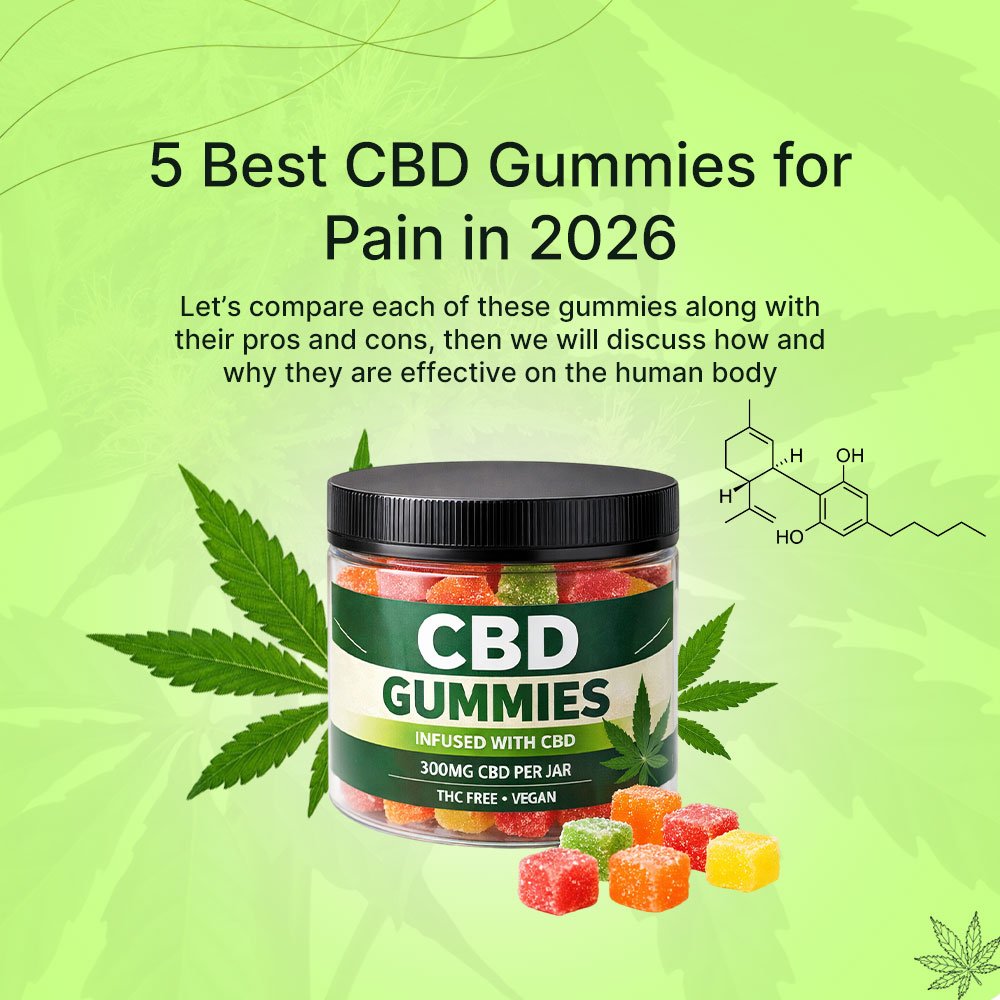
CBD gummies are a popular edible product that combine the advantages of cannabidiol (in the form of CBD oil) with the taste of candy. When ordering CBD candies, users may choose from a variety of dosage options, as well as a large range of tasty flavors, just like with capsules.

Since cannabidiol products became widely legal, many new types of CBD edibles have emerged. CBD lozenges, hard candies, chocolates, baked products, snacks, and beverages have all reached the market, providing another convenient way to take CBD.
The same advice we gave about capsules also applies to CBD edibles. Check the dosages before purchasing, refer to the instructions for recommended amounts to ingest, and always speak with a medical practitioner if you’re unsure about CBD use.
CBD Products for Vaping and Smoking
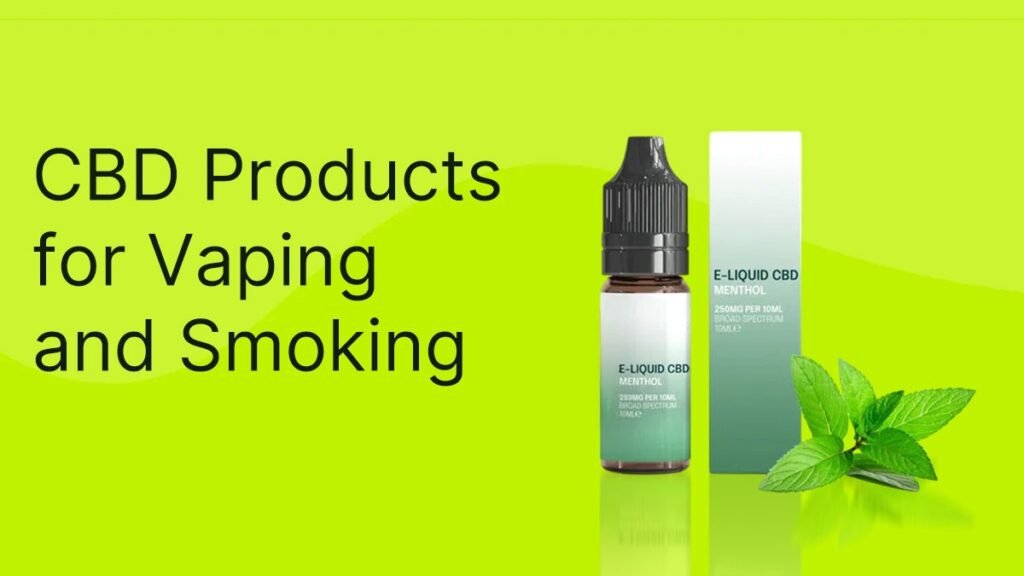
CBD vape juice and oils for vaping are widely available in a number of strengths and flavors, and they can be used to self-administer cannabidiol using the same ways as vaporizing nicotine and cannabis products. Pre-filled vapes are sometimes available for purchase as well.
Smoking CBD is more problematic in the United Kingdom. Raw CBD flower can be smoked in the same way that tobacco or marijuana is smoked; however, it is still illegal to sell and use CBD flower in Britain. Recent court judgments may eventually result in a reversal of UK CBD flower regulations; however, for the time being, caveat emptor applies.
CBD vaping and smoking have a quick effect, similar to CBD oil intake, but they are not suitable for persons who prefer not to inhale foreign vapor or smoke of any kind.
CBD Products For Topical Use
Topical CBD does not deliver the same full-body advantages as consuming cannabidiol. Topical products are frequently used to parts of the skin where consumers are feeling aches or pain, notably in the muscles and joints.
Creams, balms, lotions, tinctures, and salves are some of the various types of topical CBD products available. Most contain additional chemicals that may be therapeutic for some ailments, but may also cause allergic reactions for people who use a topical just for the cannabidiol. Before purchasing any topical CBD product, review the component list.
CBD Safety and Dosages
While the Food and Drug Administration (FDA) has yet to approve over-the-counter consumer CBD products, CBD can be taken safely. All kinds of CBD are generally well-tolerated, but they may interact with certain drugs, such as blood thinners, and might cause unpleasant side effects, such as:
- Dry mouth.
- Diarrhea
- Vomiting
- Reduced appetite
- Drowsiness
- Fatigue
Fortunately, humans can tolerate up to 1,500 mg Cof BD per day. However, that amount is not necessary to achieve the intended results. A drop of CBD oil typically contains 5 mg of CBD, but an edible, capsule, or tablet contains approximately 25 mg.

Furthermore, it is vital that you select a reputable manufacturer and provider. More precisely, check that your CBD product includes a certificate of analysis (COA). A COA describes the chemical analysis of the CBD product, which you can use to check that the contents match what is stated on the label.
To obtain a COA, a provider must send the goods to an independent, third-party laboratory. Analysis will include:
- The cannabinoids that are present
- The weight % of each cannabinoid.
- The concentration (mg) of every cannabinoid
- A heavy metal analysis.
- A pesticide analysis.
When checking the COA, make sure that all full-spectrum CBD products contain all of the cannabinoids specified, the THC percentage (0.3% is the legal limit), and the lab that tested the CBD product to confirm it was an independent party, separate from the vendor.
Conclusion
CBD comes in many forms to address different wellness demands. Full-spectrum CBD has all cannabinoids, terpenes, and flavonoids for the “entourage effect,” while broad-spectrum CBD has numerous benefits without THC. Pure CBD isolation provides targeted help without additional components. Based on lifestyle and tastes, consumers can choose oils, tinctures, pills, candies, vapes, and topicals. Before using, check lab tests and consult a doctor to ensure safety, dose, and quality. You may confidently choose the right CBD product with this knowledge.